advertisement
Protect Your Health and Finances: Crafting a Medical Emergency Fund

Protect Your Health and Finances: Crafting a Medical Emergency Fund

In our ever-changing world, establishing a medical emergency fund is essential for safeguarding both your health and your financial security. Sudden medical emergencies can lead to overwhelming expenses and stress. By setting aside a specific fund for these unforeseen costs, you can be prepared to manage health crises without jeopardizing your financial stability. This proactive measure not only offers peace of mind but also allows you to concentrate on recovery without financial worries. Below, we outline practical steps to help you create and manage your medical emergency fund effectively, leading to a healthier and more secure future. Evaluate Your Healthcare Expenses To start building a medical emergency fund, it's crucial to carefully evaluate your healthcare expenses. This includes both your regular medical costs and potential out-of-pocket expenses that might result from unexpected incidents. Review your monthly bills such as insurance premiums, copayments, and ongoing medications. Also, consider the costs of annual check-ups and preventive care. Don't forget to account for variables like deductibles, emergency room fees, or specialist charges, which can significantly affect your finances during a crisis. Gaining a clear understanding of your healthcare costs will help you determine how much to save and set achievable goals for your medical emergency fund. Determine Your Savings Objective After evaluating your healthcare expenses, define a savings objective for your medical emergency fund. It's generally recommended to save at least six months' worth of living expenses, including healthcare costs, in your emergency fund. However, the exact amount may vary based on individual circumstances. For instance, a single person might require less than a family with children or individuals with chronic health conditions. Considerations for Setting Your Goal When setting your savings goal, consider factors such as your family size and health history. Family Size: The number of dependents in your household can significantly impact your healthcare costs. Larger families often face higher medical expenses due to more frequent visits, child vaccinations, and the potential need for extensive medical care. Take into account the specific healthcare needs of each family member, as children and the elderly may have greater healthcare requirements. Health History: Your family's medical history is a key factor in estimating potential healthcare expenses. If chronic conditions or hereditary diseases are common in your family, it's wise to anticipate related costs—even if they aren't currently relevant. Also, consider personal health conditions like diabetes or heart disease, which may necessitate ongoing treatment, regular doctor visits, and prescription medications. By carefully considering these factors, you can set a more accurate and realistic savings target, preparing you for future medical emergencies. Open a Dedicated Savings Account Opening a dedicated savings account for your medical emergency fund is a critical step to ensure that your savings are kept separate from other expenses. Opt for a high-yield savings account or a money market account that offers higher interest rates than standard savings accounts, allowing your funds to grow over time while remaining readily accessible in emergencies. When setting up this account, ensure it's separate from your regular checking and savings accounts to avoid the temptation to use these funds for non-emergency purchases. Also, consider automating your contributions to this account through direct deposits or scheduled transfers from your main account. This approach not only helps in consistently building your fund but also simplifies the savings process, reinforcing your commitment to financial health. Regularly monitor your savings growth and adjust your contributions as necessary to stay on track to meet your savings goal. Develop a Consistent Savings Routine Developing a consistent savings routine is vital for the success of your medical emergency fund. Regular contributions will help you achieve your savings goal more efficiently. Begin by determining how much you can allocate monthly to your medical emergency fund, based on your overall budget and considering your essential expenses and discretionary spending. Executing Your Savings Plan To execute your savings plan, break down your annual savings goal into manageable monthly contributions. For instance, if you aim to save $6,000 in a year, you would need


Boost Your Financial Portfolio: Earning $100,000 Yearly with a High-Return Savings Account

Boost Your Financial Portfolio: Earning $100,000 Yearly with a High-Return Savings Account

Amidst the volatility of interest rates and economic uncertainty, high-return savings accounts are gaining traction as a secure and reliable investment for those looking to grow their savings. This article explores the potential annual income from investing $100,000 in such an account in 2024, considering the factors that can influence your earnings. The potential income is affected by the bank's interest rate, the frequency of interest compounding, and the economic conditions. We will examine how these elements can shape your financial growth in today's financial landscape. Understanding High-Return Savings Accounts These accounts offer a more attractive interest rate compared to standard savings accounts, making them a popular choice for those aiming to maximize their returns while maintaining a relatively low risk. The expected average interest rate for high-return savings accounts in 2024 is estimated to be between 4.00% and 5.00%, which is significantly higher than the typical rates for standard savings accounts, ranging from 0.01% to 0.05%. The key to understanding the earnings potential in a high-return savings account lies in the concept of compound interest. Unlike simple interest, which is calculated only on the principal amount, compound interest is calculated on the principal and any accumulated interest. This means that each month's interest is added to your account balance, and the next month's interest is calculated on this increased total. Over time, this compounding effect can lead to significant earnings. The Impact of Interest Rates Interest rates are a pivotal factor in determining the earnings from high-return savings accounts. With interest rates anticipated to remain relatively stable in 2024, investors can expect consistent returns. For instance, if you deposit $100,000 into a high-return savings account with an annual interest rate of 4.50%, compounded monthly, you could potentially earn approximately $4,580 in interest over the course of the year. Here’s a detailed breakdown of the calculation: Initial Deposit: $100,000 Yearly Interest Rate: 4.50% Compounding Frequency: Monthly With these figures, the interest for the first month is roughly $375. As the interest compounds monthly, each subsequent month's interest is calculated on the new balance, which includes the previously earned interest. By the end of the year, the total interest earned amounts to around $4,580, which is slightly higher than what you would earn with simple interest. Pros and Cons of High-Return Savings Accounts We will now discuss the advantages and disadvantages of high-return savings accounts to assist you in deciding if this is the right financial option for you. Advantages Higher Interest Rates: The primary advantage of high-return savings accounts is their higher interest rates, which are expected to be between 4.00% and 5.00% in 2024. This is a substantial increase over traditional savings accounts and allows your funds to grow more quickly. Security: These accounts are typically FDIC-insured up to $250,000, ensuring the safety of your funds even in the event of a bank failure, making them one of the most secure options for savings. Accessibility: High-return savings accounts offer the convenience of easy access to your funds, allowing you to withdraw your money at any time without penalties. This accessibility is ideal for those who may need quick access to their savings, such as for emergencies. Disadvantages Lower Returns than Other Investments: While these accounts provide higher returns than traditional savings accounts, they may not match the growth potential of more aggressive investments like stocks or real estate. If significant growth is your goal, a high-return savings account might not be the best solution. Inflation Risk:

Effortless Wealth Accumulation: Embracing Automatic Savings

Effortless Wealth Accumulation: Embracing Automatic Savings

With the rapid pace of contemporary life, the concept of automatic savings has become a prevalent and efficient method for securing financial stability and developing a steadfast savings routine. The approach of "automated saving" entails the establishment of mechanisms that automatically move funds from your checking account to a savings account or investment portfolio on a regular basis, eliminating the need for manual actions. This article explores the advantages, strategies, and optimal practices for automatic savings, steering you toward a reliable financial plan. Advantages of Automatic Savings The foremost benefit of automatic savings is the reduction of active decision-making. This leads to a more reliable and disciplined savings regimen, facilitating the accumulation of an emergency fund, preparation for significant life events, or the realization of long-term financial aspirations like home ownership or education funding. The Impact of Psychology on Automatic Savings Human psychology plays a critical role in shaping financial behaviors. Often, we overestimate our discipline to adhere to a savings regimen and underestimate our propensity for impulsive spending. By applying principles from behavioral finance, such as "nudges," automatic savings can encourage more prudent financial choices. Scheduling automatic transfers immediately after receiving your salary can reinforce positive savings habits and decrease the likelihood of impulsive expenditures. Setting Up Automatic Savings The process of setting up automatic savings generally includes a few simple steps: Identify Your Savings Objectives Before initiating automatic savings, it's crucial to pinpoint your precise objectives. These could range from establishing an emergency fund, saving for a home deposit, planning for retirement, or financing a vacation. Well-defined goals provide direction and motivation, assisting you in prioritizing financial decisions and maintaining focus on what's most important. Select Appropriate Accounts With your objectives clarified, the subsequent step is to open a high-yield savings account or a specialized investment account that corresponds with those goals. Conduct research on various financial institutions to identify accounts that offer competitive interest rates and minimal fees, as these can substantially affect your overall returns. High-yield accounts, in particular, provide higher interest rates than standard savings accounts, making them suitable for long-term savings. Also, consider accounts with features that cater to your specific needs, such as goal tracking or milestones. Establish a Consistent Transfer Schedule Determine a specific amount or percentage of your income to save, in line with your overall budget. Many people find it beneficial to automate their savings by choosing a percentage that fits seamlessly into their financial routine. Arrange for automated transfers on a schedule that complements your lifestyle—be it weekly, bi-weekly, or monthly. This regularity allows your funds to grow steadily without the need for active oversight. Leverage Financial Apps and Tools In the digital era, a multitude of financial apps can aid in automatic savings. Consider utilizing mobile applications that connect with your bank accounts and assist in managing your finances effectively. Numerous fintech apps not only automate your savings but also offer insights into your spending patterns and monitor your financial progress. Some apps even feature functionalities like rounding up purchases to the nearest dollar and saving the excess, adding an effortless layer of savings to your daily transactions. Regularly Review and Adjust It's essential to periodically review your automatic savings plan to ensure it aligns with your objectives. As your financial circumstances change—such as receiving a pay raise, paying off debt, or facing unexpected expenses—adjust your savings contributions as necessary. Regular assessments help you gauge progress and make informed decisions about your financial future, ensuring you remain on course to achieve your goals. Optimal Practices for Effective Automatic Savings To optimize the effectiveness of your automatic savings plan, adopt optimal practices that enhance financial discipline and ensure efficient goal achievement. These practices foster consistency, adaptability to changing circumstances, and a successful savings journey. Begin with Small Amounts and Gradually Increase If you're new to automatic savings, start with a small, manageable sum that fits within your budget. Starting

Enhance Your Financial Portfolio: Earning with a High-Yield Savings Account on a $100,000 Investment Annually

Enhance Your Financial Portfolio: Earning with a High-Yield Savings Account on a $100,000 Investment Annually

In an economic environment characterized by fluctuating interest rates and unpredictability, high-yield savings accounts stand out as a dependable method for enhancing one's financial reserves. So, what are the prospects for earnings when you place $100,000 into such an account in 2024? The potential earnings are shaped by various factors including the bank's interest rate, the frequency of interest compounding, and the overall economic climate. This article delves into the possible income from investing $100,000 in a high-yield savings account over the course of a year, taking into account how these factors influence the current financial landscape. Insight into High-Yield Savings Accounts These accounts provide a higher rate of interest compared to standard savings accounts, which is enticing for those aiming to optimize their returns while ensuring the safety of their capital. The projected average interest rate for high-yield savings accounts in 2024 is estimated to be between 4.00% and 5.00%, contingent on the financial institution and the specific terms of the account. This rate is considerably higher than the rates for regular savings accounts, which typically range from 0.01% to 0.05%. The earnings calculation in a high-yield savings account is grounded in the principle of compound interest. Unlike simple interest, which is calculated solely on the initial investment, compound interest is calculated on both the initial investment and the accumulated interest. This means that each month's interest is added to your account balance, and the interest for the following month is based on this increased balance. Over time, this compounding effect can significantly amplify your earnings. The Role of Interest Rates Interest rates are pivotal in determining the earnings from a high-yield savings account. With interest rates anticipated to remain relatively stable in 2024, investors can anticipate consistent returns. For example, if you deposit $100,000 into a high-yield savings account with an annual interest rate of 4.50%, compounded monthly, you could potentially earn approximately $4,580 in interest for the year. Here’s a detailed analysis of the calculation: Initial Deposit: $100,000 Yearly Interest Rate: 4.50% Compounding Frequency: The interest is compounded monthly, which boosts your account balance. With these figures, the interest for the first month is roughly $375. As the interest compounds monthly, each subsequent month's interest is calculated on the updated balance, which includes the interest accrued in previous months. By the end of the year, the total interest earned is around $4,580, which is slightly higher than what would be earned with simple interest. Advantages and Disadvantages of High-Yield Savings Accounts We will now consider the benefits and drawbacks of high-yield savings accounts in 2024 to assist you in deciding if this is the appropriate choice for your financial goals. Pros Enhanced Interest Rates: The primary advantage of high-yield savings accounts is their elevated interest rates, typically ranging from 4.00% to 5.00% in 2024. These rates are significantly higher than those of traditional savings accounts, facilitating a quicker accumulation of your funds. Security and Protection: These accounts are generally insured by the FDIC up to $250,000, safeguarding your money even in the event of a bank failure. This makes them one of the most secure options for savings. Accessibility: High-yield savings accounts offer easy access to your funds, allowing you to withdraw your money at any time without penalties. This feature is ideal for those who may require immediate access to their savings, such as for emergencies. Cons Reduced Returns Compared to Other Investments: While these accounts provide better returns than traditional savings accounts, they may not

Smart Tips to Save Money This Christmas Season

Smart Tips to Save Money This Christmas Season

The holiday season is here, bringing with it a mix of joy and, often, financial stress. With Christmas 2024 approaching, many of us face the challenge of balancing festive cheer with a budget that seems to stretch thinner each year. But don’t worry—saving money during the holidays doesn’t mean sacrificing the magic of the season. Instead, it’s about finding smart, creative ways to enjoy the festivities without overextending your finances. In this guide, we'll explore practical tips and clever strategies for keeping your Christmas budget in check. This will allow you to celebrate with your loved ones while still keeping your wallet happy. From savvy shopping tactics to homemade gift ideas, let’s dive into how you can make this Christmas both memorable and affordable. Top Money-Saving Tips for Christmas 2024 Here are the top money-saving tips for Christmas 2024 to help you keep your holiday spirit high and your expenses low. Creating a Realistic Christmas Budget The first step in saving money this Christmas is to establish a realistic budget. Start by listing all potential expenses, including gifts, decorations, food, and entertainment. Once you have a comprehensive list, set a spending limit for each category. This will help you avoid overspending and keep track of where your money is going. Remember, a budget isn’t about limiting your enjoyment; it’s about prioritizing your spending so you can enjoy the holiday season without financial stress. Prioritizing Your Spending With your budget in place, it’s important to prioritize your spending. Decide which areas are most important to you and allocate your funds accordingly. For example, if giving thoughtful gifts is a priority, you might choose to spend less on decorations or holiday parties. By prioritizing your spending, you ensure that your budget aligns with your values and preferences, making the holiday season more enjoyable and less financially burdensome. Smart Shopping Strategies Being strategic with holiday shopping can significantly affect your overall spending. Start your shopping early to take advantage of sales and avoid the last-minute rush, which often leads to impulse purchases. Additionally, consider using cashback apps and coupon codes to save on your purchases. By being a savvy shopper, you can find great deals without compromising on the quality of your gifts. Homemade Gifts and Crafts One of the most heartfelt ways to save money this Christmas is by giving homemade gifts. Not only do these gifts often carry more sentimental value, but they can also be much more affordable than store-bought items. Consider making holiday crafts, baking cookies, or creating personalized photo albums. These thoughtful gestures can be just as meaningful as expensive gifts, showing that you’ve put time and effort into your presents. DIY Decorations and Wrapping Another area where you can cut costs is decorations and gift wrapping. Instead of purchasing new decorations each year, consider making your own or repurposing items from previous holidays. For example, you can create festive ornaments using materials you already have at home. Similarly, use old newspapers, fabric scraps, or recycled paper to wrap your gifts creatively. This not only saves you money but also adds a unique and personal touch to your holiday decor. Planning Holiday Meals Holiday meals are often a highlight of Christmas celebrations, but they can also be quite expensive. To save money, plan your meals carefully and make a shopping list before heading to the grocery store. Consider preparing dishes that are both delicious and budget-friendly. You can also ask guests to bring a dish to share, which helps spread out the cost of the meal. By planning and being mindful of your ingredients, you can enjoy a festive feast without overspending. Embracing Free and Low-Cost Activities The Christmas season offers many opportunities for fun and enjoyment that don’t require spending a lot of money. Look for free or low-cost activities in your community, such as local holiday markets, tree-lighting ceremonies, or charity events. These activities can provide entertainment and create lasting memories without straining your budget. Additionally, organizing a holiday movie night or game night with friends and family can be a cost-effective way to celebrate the season together. Setting a Gift Exchange Limit Gift exchanges are a common tradition during the holidays, but they don’t have to be costly. Consider setting a limit on how much you spend per gift or organizing a Secret Santa exchange with a spending cap. This approach helps keep everyone’s gifts within a reasonable price range and ensures that the focus remains on the thoughtfulness of the gifts rather than their price. Discussing and agreeing on these limits with your friends and family in advance can help prevent any awkwardness or misunderstandings. Taking Advantage of Sales and Discounts Throughout the holiday season, many retailers offer sales and discounts on a wide range of products. Keep an eye out for these promotions and take advantage of them when possible. Signing up for newsletters or following your favorite stores on social media can also alert you to special deals and exclusive offers. By shopping strategically and using discounts, you can stretch your holiday budget further and make the most of your spending. Avoiding Post-Holiday Debt One of the biggest pitfalls of holiday spending is accumulating debt that lasts well beyond the season. To avoid this, try to pay with cash or use a debit card rather than a credit card. If you do use credit cards, make sure you have a plan to pay off the balance as soon as possible to avoid high-interest charges. By being mindful of how you pay for your holiday expenses, you can enjoy the season without the added stress of post-holiday debt. Conclusion Saving money this Christmas doesn’t mean you have to sacrifice the joy and spirit of the season. By creating a realistic budget, prioritizing your spending, and embracing creative solutions, you can enjoy a festive and financially responsible holiday. From thoughtful homemade gifts to strategic shopping and planning, these tips will help you navigate the holiday season with ease. Remember, the true essence of Christmas lies in spending time with loved ones and creating cherished memories, not in the amount of money spent. Happy holidays!

Simplifying Forex: Mastering the Use of a Currency Strength Meter

Simplifying Forex: Mastering the Use of a Currency Strength Meter

Forex trading revolves around analyzing and forecasting the movements of various currencies to execute profitable trades. Among the numerous tools available to traders, the Currency Strength Meter stands out as particularly valuable. This tool enables traders to assess the relative strength of different currencies, which is critical in determining optimal currency pairs for trading. By offering visual insights into which currencies are strengthening or weakening, the Currency Strength Meter helps traders gain a clearer understanding of market trends. This article will guide you on how to effectively harness the power of a currency strength meter to refine your Forex trading strategy. Understanding the Currency Strength Meter A Currency Strength Meter is a technical analysis tool designed to measure the relative strength of various currencies in the Forex market. It collects real-time exchange rate data from numerous currency pairs and presents it in a clear, easily interpretable format, often using graphs or numerical rankings. The meter ranks currencies from strongest to weakest, enabling traders to identify potential trades based on prevailing market conditions. It is an essential tool for both novice and experienced Forex traders, particularly those operating in fast-paced environments like day trading or scalping. How Does a Currency Strength Meter Work? A Currency Strength Meter evaluates a currency's performance across multiple pairs and summarizes its relative strength. It gathers real-time exchange rate data from various pairs (such as EUR/USD or GBP/USD) and computes how each currency is performing against others. The tool employs algorithms to aggregate this data, sometimes incorporating elements like volatility or trading volume for a more accurate measurement. The output is typically displayed as a chart or numerical ranking, showing which currencies are strengthening or weakening. Traders can adjust the timeframe to match their trading style, whether they are short-term scalpers or long-term investors. Some advanced meters even feature directional arrows to indicate whether a currency is gaining or losing strength, offering further insights into potential market trends. While useful, it is best to use the currency strength meter in conjunction with other tools for comprehensive market analysis. Using a Currency Strength Meter for Trading With your currency strength meter set up, here's how to effectively integrate it into your trading strategy: Identify Strong and Weak Currencies The primary purpose of the currency strength meter is to help traders pinpoint the strongest and weakest currencies. Traders typically aim to pair a strong currency with a weak one to maximize profit potential. For instance, if the meter shows that the USD is strong and the JPY is weak, a trader might choose to buy the USD/JPY pair, betting that the USD will appreciate against the JPY. Trend Confirmation While the currency strength meter highlights currency strength, it is essential to confirm trends using additional technical indicators. After identifying a strong or weak currency, traders can utilize tools like the Relative Strength Index (RSI), Moving Averages, or Bollinger Bands to validate the trend and ensure the meter's readings align with market behavior. Avoid Overlapping or Opposing Trades Currency strength meters are valuable for managing portfolio risk. If a trader holds multiple positions, the meter can help avoid placing trades that cancel each other out. For example, if you're long on the USD/EUR and short on the USD/JPY, you might be inadvertently betting both for and against the USD. By identifying correlations between pairs, you can prevent taking opposing positions that negate your gains. Hedging Traders can also use the currency strength meter to hedge their positions. If you anticipate a currency's value might drop, you can open a position in a currency pair with a negative correlation to shield yourself from losses. For instance, if you're concerned that your long position on the GBP/USD may lose value, you might hedge by taking a position on USD/JPY, where the dollar could gain value if the pound weakens. Scalping and Short-Term Trades For short-term traders, the currency strength meter can be an invaluable tool for scalping. By focusing on currencies showing rapid increases or decreases in strength, traders can make quick trades to capitalize on brief market movements. However, this strategy requires constant monitoring of the meter and real-time data to be effective. Benefits and Drawbacks of Using a Currency Strength Meter A currency strength meter is a useful tool for evaluating the performance of different currencies, but like any tool, it has its advantages and limitations. Below is an in-depth look at its benefits and potential drawbacks. Benefits of Using a Currency Strength Meter Quick Overview: The meter provides a fast snapshot of currency strength, allowing traders to make quick decisions without analyzing each pair separately. This can save time and simplify trade analysis. Identifies Trade Opportunities: It helps traders identify strong and weak currencies, making it easier to pair them for potentially profitable trades. This is particularly useful in strategies like trend trading. Risk Management: By highlighting correlated currencies, the meter aids in managing risk, preventing traders from entering trades that might cancel each other out. Drawbacks of Using a Currency Strength Meter Limited Data: The meter does not account for fundamental factors such as economic events or news, so traders should not rely solely on it for decision-making. False Signals: Sudden market events can distort its accuracy, leading to misleading signals. It works best when combined with other tools. Short-Term Focus: Most currency strength meters are designed for short-term snapshots, which may not provide accurate information for long-term trading strategies. This can be problematic for traders looking to make long-term investment decisions, as the tool might not capture longer-term trends. Conclusion When used correctly, the currency strength meter is a powerful tool for Forex traders. It can significantly enhance trading decisions by highlighting strong and weak currencies, confirming trends, and helping manage risk. However, it should not be the sole tool in your trading arsenal. Combining it with other technical and fundamental analyses will provide a more holistic view of the market. Whether you are a beginner or a seasoned trader, mastering the use of a currency strength meter can give you a vital edge in the competitive world of Forex trading.

Mastering Forex with the Currency Strength Meter: A Comprehensive Guide

Mastering Forex with the Currency Strength Meter: A Comprehensive Guide

Forex trading is fundamentally about predicting currency movements to make profitable deals. Amidst the array of tools at a trader's disposal, the Currency Strength Meter is particularly noteworthy. This tool assists traders in gauging the comparative strength of currencies, a key factor in selecting the best currency pairs for trading. The Currency Strength Meter provides visual cues on currency fluctuations, aiding traders in deciphering market trends. This article offers insights on how to effectively use the Currency Strength Meter to enhance your Forex trading strategy. Grasp the Concept of Currency Strength Meter The Currency Strength Meter is a technical analysis instrument that quantifies the strength of currencies in the Forex market. It compiles real-time exchange rate data from various currency pairs and presents it in a clear and understandable manner, often through graphs or numerical scales. The meter arranges currencies in order from the strongest to the weakest, allowing traders to spot potential trades based on current market conditions. It is indispensable for both novice and seasoned Forex traders, especially those engaged in rapid-paced trading like day trading or scalping. How the Currency Strength Meter Functions The Currency Strength Meter assesses a currency's performance across different pairs and distills its relative strength. It compiles real-time exchange rate data from several pairs (e.g., EUR/USD or GBP/USD) and measures how each currency fares against others. The tool uses algorithms to synthesize this data, sometimes including factors like volatility or trading volume for a more precise assessment. The result is typically displayed as a chart or numerical ranking, indicating which currencies are gaining or losing strength. Traders can adjust the time frame to align with their trading preferences, whether they are short-term scalpers or long-term investors. Advanced meters may even include directional indicators to show whether a currency is increasing or decreasing in strength, providing additional insights into potential market trends. While beneficial, it is advisable to use the currency strength meter alongside other tools for a thorough market analysis. Incorporate the Currency Strength Meter into Your Trading With your currency strength meter ready, here are the steps to integrate it effectively into your trading strategy: Pinpoint Strong and Weak Currencies The primary function of the currency strength meter is to assist traders in identifying the strongest and weakest currencies. Traders generally aim to pair a strong currency with a weak one to maximize profit potential. For example, if the meter indicates that the USD is strong and the JPY is weak, a trader might opt to buy the USD/JPY pair, anticipating that the USD will rise against the JPY. Validate Trends While the currency strength meter highlights currency strength, it is crucial to confirm trends with additional technical indicators. After identifying a strong or weak currency, traders can use tools like the Relative Strength Index (RSI), Moving Averages, or Bollinger Bands to validate the trend and ensure the meter's readings are in line with market behavior. Avoid Counterproductive Trades Currency strength meters are beneficial for managing portfolio risk. If a trader holds multiple positions, the meter can help prevent placing trades that offset each other. For instance, if you're long on the USD/EUR and short on the USD/JPY, you might inadvertently be betting both for and against the USD. By recognizing correlations between pairs, you can avoid taking opposing positions that negate your profits. Hedging Strategies Traders can also utilize the currency strength meter for hedging. If you foresee a currency's value might decline, you can open a position in a currency pair with a negative correlation to protect yourself from losses. For example, if you're concerned that your long position on the GBP/USD may depreciate, you might hedge by taking a position on USD/JPY, where the dollar could strengthen if the pound weakens. Scalping and Quick Trades For short-term traders, the currency strength meter can be an invaluable asset for scalping. By focusing on currencies showing rapid fluctuations in strength, traders can make swift trades to capitalize on fleeting market movements. However, this strategy

**Embarking on a New Financial Pathway: A Guide to Credit Union Membership in 2024**

**Embarking on a New Financial Pathway: A Guide to Credit Union Membership in 2024**

Becoming a member of a credit union marks the beginning of a personalized financial journey. Unlike traditional banks, credit unions are member-owned and often provide lower costs and better interest rates. If you're contemplating this financial move, you may be interested in understanding the enrollment process. This comprehensive guide will outline the steps to join a credit union and start enjoying the advantages of membership. Whether you're seeking higher savings rates, a more personalized service, or an alternative to conventional banking, this article will walk you through the essential steps. Understanding the Credit Union Advantage Before you begin your membership journey, it's important to understand what sets credit unions apart from regular banks. As non-profit organizations owned by their members, credit unions return any surplus to the members in the form of reduced loan rates, improved savings rates, and minimal fees. Credit unions differ from banks, which are profit-driven and owned by shareholders, focusing on member service and governed by a board of directors elected democratically. The Credit Union Framework A credit union operates as a financial cooperative, owned by its members. Each member has a dual role as an owner, with decisions made democratically, ensuring each member's vote carries equal weight, regardless of their deposit amount. This framework keeps the credit union focused on member service rather than profit maximization. Members' pooled savings are used to offer a range of financial services, including loans and credit cards. As non-profit organizations, credit unions channel earnings back to members via lower lending rates, higher interest on savings, and reduced fees. The board of directors, elected by the members, supervises the credit union's operations, ensuring it remains true to its mission of community service. This structure promotes a personalized and community-centric banking experience, prioritizing member needs and financial well-being. Joining a Credit Union: A Step-by-Step Guide Ready to dive into credit union membership? Here's your roadmap to get started. Determining Eligibility The first step in joining a credit union is to determine your eligibility. Credit unions often require a common bond among members, such as shared geography, profession, or affiliation with a specific organization. This bond qualifies you for membership. Some credit unions are open to all residents of a certain area, while others may require specific professional or group affiliations. To determine your eligibility, visit the credit union's website or reach out to their membership services. Selecting the Right Credit Union Since not all credit unions are the same, it's essential to choose one that aligns with your needs. Start by researching local credit unions or those that meet your eligibility criteria. Evaluate their services, fees, and member benefits to find the one that matches your financial aspirations. For instance, some credit unions may offer specialized financial products like loans for first-time homebuyers or business accounts, while others might focus on personal savings and checking accounts. Compiling Necessary Documents After selecting a credit union, gather the required documents for membership application. Typical documents include a government-issued ID, proof of residence, and possibly proof of eligibility (like employment verification for credit unions associated with specific employers). Be prepared to submit these documents to facilitate a seamless application process. Completing the Application With your documents ready, you can now complete the membership application. Many credit unions offer online applications for your convenience, but you can also visit a local branch if you prefer. The application will request basic personal details such as your name, address, Social Security number, and employment information. An initial deposit may also be required, which serves as your share in the credit union and grants you voting rights. Engaging in Orientation or Meetings Some credit unions may require new members to attend an orientation session or meeting. This is an opportunity to familiarize yourself with the credit union's services, connect with

Celebrating Christmas on a Budget: Tips for a Joyful and Economical Holiday

Celebrating Christmas on a Budget: Tips for a Joyful and Economical Holiday

As the holiday season draws near, the sound of festive bells fills the air, bringing with it a mix of excitement and financial anxiety. Christmas 2024 is just around the corner, and many are looking for ways to maintain the festive cheer while keeping their spending in check. Fortunately, it's possible to have a festive Christmas without breaking the bank. By employing creative and smart strategies, you can celebrate within your means and still enjoy the holiday spirit. In this guide, we'll provide you with practical suggestions and clever tricks to help you keep your Christmas spending in line. We'll explore everything from smart shopping to creating your own gifts, so you can have a memorable and cost-effective Christmas with your loved ones. Budget-Friendly Christmas 2024: Financial Tips Below are some top financial tips for a budget-friendly Christmas 2024 that will help you keep your holiday spirits high and your spending under control. Creating a Smart Christmas Budget The first step towards financial responsibility during the holidays is to create a smart budget. Start by listing all potential expenses, including gifts, decorations, meals, and entertainment. Then, set a limit for each category. This will help you avoid overspending and keep track of your spending effectively. Remember, a budget is not about reducing joy; it's about aligning your spending with your priorities to reduce financial stress during the holidays. Wise Spending Allocation With your budget in place, focus on allocating your spending wisely. Determine which areas are most important to you and allocate your funds accordingly. If gift-giving is a priority, you might choose to spend less on decorations or parties. By allocating your spending wisely, you ensure that your budget reflects your values and preferences, leading to a more enjoyable and financially manageable holiday season. Strategic Holiday Shopping Being strategic with your holiday shopping can significantly reduce your overall expenses. Start shopping early to take advantage of sales and avoid the last-minute rush that often leads to impulsive purchases. Also, consider using cashback apps and discount codes to save on your shopping. By being a smart shopper, you can find great deals without compromising on the quality of your gifts. Handcrafted Gifts and Handicrafts One of the most heartfelt ways to save money this Christmas is by offering handcrafted gifts. These gifts often carry more emotional value and can be significantly more affordable than store-bought alternatives. Consider creating holiday crafts, baking homemade cookies, or putting together personalized photo albums. These thoughtful gestures can be just as meaningful as expensive gifts, showing the time and effort you've invested in your presents. DIY Decor and Gift Wrapping You can also save on decorations and gift wrapping. Instead of buying new decorations each year, consider crafting your own or reusing items from past holidays. For example, you can make festive ornaments from materials you already have at home. Similarly, use old newspapers, fabric scraps, or recycled paper to wrap your gifts in a creative manner. This not only saves money but also adds a unique and personal touch to your holiday decorations. Planning Cost-Effective Holiday Meals Holiday meals are often a highlight of Christmas celebrations, but they can be quite costly. To save money, plan your meals carefully and make a shopping list before going to the grocery store. Opt for dishes that are both tasty and budget-friendly. You can also ask guests to contribute a dish, which helps distribute the cost of the meal. By planning and being mindful of your ingredients, you can enjoy a festive feast without breaking the bank. Enjoying Free and Low-Cost Festivities The Christmas season is filled with opportunities for enjoyment that don't require a significant financial outlay. Seek out free or low-cost activities in your community, such as local holiday markets, tree-lighting ceremonies, or charity events. These activities can provide entertainment

Navigating Financial Stability in Economic Downturns: A Comprehensive Guide to Key Financial Practices

Navigating Financial Stability in Economic Downturns: A Comprehensive Guide to Key Financial Practices

The unpredictability of economic downturns necessitates adept financial management. Recessions bring about unique challenges that can impact income and increase the cost of living. In the face of such adversity, it is crucial for individuals and families to adopt sound financial strategies to lessen the impact of these trying times. This article outlines six essential practices for safeguarding your financial well-being during a recession, providing you with the insights needed to make informed decisions about your spending and saving habits. By implementing these practical strategies, you can weather the economic storm and emerge stronger when the economy recovers. Embracing fiscal responsibility is essential for achieving long-term financial stability and peace of mind. Crucial Financial Practices for Recession-Proofing 1. Budget Creation and Adherence Budgeting is a critical step in recession times to maintain control over your financial situation. Start by assessing your income and expenses to identify areas where spending can be reduced. Categorize your expenses into necessary and discretionary categories, with a focus on basic needs such as housing, utilities, and groceries. Set specific budgets for non-essential items and adhere to them strictly. Regularly reviewing and adjusting your budget will help you adapt to financial fluctuations, ensuring you stay on track with your savings and maintain stability in the face of uncertainty. 2. Emergency Fund Establishment Building a financial safety net is vital, especially during a recession. Aim to save at least three to six months' worth of living expenses in an easily accessible savings account. This fund serves as a backup in case of unforeseen events, such as job loss or unexpected medical expenses. Begin with small, manageable savings goals; even incremental monthly contributions can grow over time. Prioritizing an emergency fund provides a sense of security and enhances your financial safety net, allowing you to handle recession-induced uncertainties with confidence. 3. Reducing Non-Essential Expenditures In a recession, it's crucial to reevaluate your spending habits and cut back on non-essential costs. Examine subscription fees, dining out expenses, and spontaneous purchases. Consider whether these expenses truly add value to your life and eliminate them if they do not. Opt for more cost-effective options, such as cooking at home or participating in free community events. By consciously reducing expenses, you can allocate more funds towards savings and essentials, strengthening your financial resilience during difficult times. 4. Exploring Income-Boosting Opportunities Beyond cost-cutting, increasing your income can also help you navigate a recession. Consider part-time jobs or freelance work that align with your skills and interests. Look into selling unused items or offering services like pet sitting or tutoring. Every extra dollar earned can contribute to your emergency fund and create a larger financial buffer for unforeseen events. 5. Leveraging Government Support Programs During recessions, governments often introduce support measures to assist those facing financial hardships. Research and understand the various programs available in your area, such as unemployment benefits, food assistance, or housing support. These initiatives can help cover essential expenses and provide temporary relief during challenging times. Ensure you check the eligibility requirements and apply for any programs that could benefit your financial situation. 6. Staying Informed and Seeking Professional Guidance In a recession, the economic landscape can change rapidly, highlighting the importance of staying informed about market trends and developments. Keep up with news and updates from reliable sources to understand how the economy might impact your finances. If you need additional help managing your finances, consult a financial advisor or counselor for personalized advice tailored to your specific circumstances. Avoidances for Financial Stability in a Recession 1. Avoiding Panic and Impulsive Decisions Economic instability can naturally lead to concerns about financial security. However, it's essential not to make hasty decisions driven by fear or panic. Avoid impulsively withdrawing from investments or making significant purchases that do not align with your budget and long-term financial goals. Instead, take time to reassess your financial plan and seek professional advice before making any major financial moves. <

Enhance Your Financial Growth: Earning $100,000 Annually with a High-Yield Savings Account 1163

Enhance Your Financial Growth: Earning $100,000 Annually with a High-Yield Savings Account 1163

In a time of fluctuating interest rates and economic unpredictability, high-yield savings accounts are becoming an increasingly popular choice for individuals seeking a secure and dependable method to increase their savings. This article delves into the potential annual earnings from investing $100,000 in such an account in 2024, examining the variables that can affect your returns. The potential earnings are influenced by the bank's interest rate, the frequency of interest compounding, and the economic climate. We will explore how these factors can impact your financial growth in the current financial market. Insight into High-Yield Savings Accounts These accounts provide a higher rate of interest compared to regular savings accounts, which is why they are favored by those who wish to optimize their returns while keeping their funds relatively safe. The anticipated average interest rate for high-yield savings accounts in 2024 is between 4.00% and 5.00%, which is considerably higher than the standard savings account rates that are typically between 0.01% and 0.05%. The crux of understanding earnings in a high-yield savings account is the concept of compound interest. Unlike simple interest, which is calculated on the initial amount only, compound interest is calculated on the initial amount plus any accumulated interest. This means that each month's interest is added to your account balance, and the following month's interest is calculated on this increased total. This compounding can lead to substantial earnings over time. The Role of Interest Rates Interest rates are a critical determinant of earnings in high-yield savings accounts. With interest rates expected to be relatively stable in 2024, investors can look forward to fairly consistent returns. For example, if you deposit $100,000 into a high-yield savings account with an annual interest rate of 4.50%, compounded monthly, you could expect to earn roughly $4,580 in interest over the year. Here’s a detailed calculation: Initial Deposit: $100,000 Yearly Interest Rate: 4.50% Compounding Frequency: Monthly With these figures, the first month's interest is approximately $375. As the interest compounds monthly, each subsequent month's interest is calculated on the new balance, which includes the previously earned interest. By year's end, the total interest earned is around $4,580, which is slightly more than what you would earn with simple interest. Advantages and Disadvantages of High-Yield Savings Accounts We will now discuss the pros and cons of high-yield savings accounts to help you decide if this is the right financial choice for you. Advantages Elevated Interest Rates: The most significant advantage of high-yield savings accounts is their higher interest rates, which are projected to be between 4.00% and 5.00% in 2024. This is a substantial increase over traditional savings accounts and allows your funds to grow more rapidly. Protection: These accounts are usually FDIC-insured up to $250,000, ensuring the safety of your funds even in the event of bank failure, making them one of the most secure options for savings. Accessibility: High-yield savings accounts offer the convenience of easy access to your funds, enabling you to withdraw your money at any time without incurring penalties. This accessibility is ideal for those who require quick access to their savings, such as for emergency situations. Disadvantages Lower Returns than Other Investments: While these accounts provide higher returns than traditional savings accounts, they may not match the growth potential of more aggressive investments like stocks or real estate. If significant growth is your goal, a high-yield savings account might not be the optimal solution. Inflation Risk:

Enhance Your Financial Growth: Earning $100,000 Annually with a High-Yield Savings Account 1059

Enhance Your Financial Growth: Earning $100,000 Annually with a High-Yield Savings Account 1059

Amidst fluctuating interest rates and economic uncertainties, high-yield savings accounts are gaining popularity as a secure and dependable method for increasing savings. But what return can you anticipate from a $100,000 deposit in such an account in 2024? The potential earnings hinge on variables like the bank's interest rate, the frequency of interest compounding, and the economic climate. This article delves into the possible returns from investing $100,000 in a high-yield savings account over a year, examining how these factors influence the current financial scenario. High-Yield Savings Accounts Explained These accounts provide superior interest rates compared to regular savings accounts, appealing to those seeking to optimize returns while maintaining the safety of their funds. In 2024, the projected average interest rate for high-yield savings accounts is between 4.00% and 5.00%, contingent on the financial institution and account terms. This is markedly higher than the standard savings account rates, which are typically between 0.01% and 0.05%. The essence of calculating earnings in a high-yield savings account is rooted in the concept of compound interest. Unlike simple interest, which is only on the principal, compound interest accrues on both the principal and the interest accumulated. This means that each month's interest is added to your account, and the following month's interest is calculated on this increased balance. The compounding effect can substantially amplify your earnings over time. The Role of Interest Rates Interest rates are pivotal in determining earnings from a high-yield savings account. With interest rates anticipated to be relatively stable in 2024, investors can expect consistent returns. For example, if you deposit $100,000 into a high-yield savings account with an annual interest rate of 4.50%, compounded monthly, you could earn approximately $4,580 in interest for the year. Here’s a detailed calculation: Initial Deposit: $100,000 Yearly Interest Rate: 4.50% Compounding Frequency: The interest is compounded monthly, adding to your account balance. With these figures, the first month's interest is roughly $375. As the interest compounds monthly, each subsequent month's interest is calculated on the updated balance, which includes the previously earned interest. By year's end, the total interest earned is around $4,580, slightly more than what would be accrued with simple interest. Advantages and Disadvantages of High-Yield Savings Accounts We will now discuss the pros and cons of high-yield savings accounts in 2024 to assist you in deciding if this is the appropriate choice for your financial goals. Pros Enhanced Interest Rates: The primary advantage of high-yield savings accounts is their elevated interest rates, typically ranging from 4.00% to 5.00% in 2024. These rates are substantially higher than those of traditional savings accounts, facilitating faster growth of your funds. Security and Protection: These accounts are generally FDIC-insured up to $250,000, safeguarding your money even if the bank fails. This makes them one of the most secure options for savings. Accessibility: High-yield savings accounts offer easy access to your funds, enabling you to withdraw your money at any time without incurring penalties. This accessibility is ideal for those who require quick access to their savings, such as for an emergency. Cons Moderate Returns Compared to Other Investments: While these accounts offer better returns than traditional savings accounts, they may not match the potential growth of more aggressive investments like stocks or real estate. For significant growth, a high-yield savings account might not be the optimal solution. Inflation Risks: </

Weathering the Economic Storm: Key Strategies for Financial Survival During a Downturn

Weathering the Economic Storm: Key Strategies for Financial Survival During a Downturn

In times of economic instability, the ability to manage your finances wisely is paramount. Recessions can lead to unforeseen difficulties, threaten the reliability of income, and escalate living costs. As individuals and households confront more stringent budget constraints, it's imperative to embrace astute financial tactics to mitigate the effects of these trying periods. This article outlines six critical guidelines for saving money during a recession, enabling you to make prudent decisions regarding your spending and saving behaviors. By adopting these practical suggestions, you can not only endure the economic slump but also bounce back more robustly when the economy rebounds. Recognizing the significance of fiscal prudence can pave the way for enduring stability and tranquility. Strategies for Saving Money During a Recession 1. Develop and Adhere to a Budget Crafting a budget during a recession is essential for regaining control over your financial affairs. Begin by evaluating your earnings and expenditures to pinpoint areas for reduction. Sort your spending into necessary and discretionary categories, focusing on essentials such as housing, utilities, and food. Assign specific budgets for non-essential spending and adhere to this plan diligently. Regularly reassess and modify your budget to accommodate any shifts in your financial circumstances, ensuring you remain on course to save money and maintain stability during tumultuous times. 2. Establish an Emergency Fund Amassing a financial buffer is indispensable, particularly during a recession. Strive to save at least three to six months of living expenses in a readily accessible savings account. This emergency fund acts as a safety net in the event of unforeseen occurrences like job loss or medical costs. Start with small amounts if needed; even minor savings each month can accumulate over time. Prioritizing this fund will offer peace of mind and enhanced financial security, empowering you to navigate the uncertainties of a recession with greater confidence. 3. Eliminate Non-Essential Spending Revisiting your spending habits and cutting out non-essential costs is vital during a recession. Begin by examining subscription services, eating out, and impulsive purchases. Reflect on whether these expenses genuinely add value to your life and make the appropriate reductions. Look for cost-effective alternatives, such as preparing meals at home instead of dining out or discovering free local events. By deliberately reducing your expenses, you can allocate more funds towards savings and essential needs, thereby bolstering your financial resilience in difficult times. 4. Explore Income-Boosting Opportunities In addition to cutting back on spending, seeking ways to augment your income can assist you in staying financially afloat during a recession. Consider taking on part-time work or freelance projects that align with your skills and interests. You can also investigate selling unwanted items or offering services like pet care or tutoring. Every additional dollar earned can contribute to bolstering your emergency fund and creating a more substantial financial cushion for unforeseen events. 5. Utilize Government Support Initiatives Governments frequently introduce support initiatives during recessions to assist individuals and families experiencing financial hardship. Investigate and comprehend the programs available in your region, such as unemployment benefits, food assistance, or housing support. These initiatives can help cover essential costs and offer temporary relief during challenging periods. Verify eligibility criteria and apply for any programs that could improve your financial situation. 6. Stay Informed and Consult Professionals The economic landscape can evolve rapidly during a recession, making it crucial to stay abreast of market trends and developments. Monitor news and updates from reliable sources to grasp how the economy might affect your financial standing. Should you require additional assistance or guidance in managing your finances during a recession, reach out to a financial advisor or counselor who can offer personalized advice tailored to your specific requirements. Avoidances for Saving Money During a Recession 1. Avoid Making Hasty Decisions It's natural to feel anxious about your financial security during economic uncertainty. However, refrain from making impulsive decisions driven by fear or panic. Avoid precipitously withdrawing from investments or making significant purchases that don't align with your budget and long-term financial objectives. Instead, take a moment to pause, review your budget, and seek professional advice before making substantial financial decisions. 2. Avoid Ignoring Debt</

Elevate Your Financial Wellness: Embracing Open Budgeting

Elevate Your Financial Wellness: Embracing Open Budgeting

In an era where financial matters are often kept under wraps, the concept of "open budgeting" is emerging as a refreshing approach. This method revolves around the principles of transparency and candid dialogue when it comes to personal or family finances. Open budgeting stands in contrast to conventional budgeting techniques that tend to be kept confidential or hidden from view, instead promoting the open discussion of financial matters. This strategy can be transformative for those seeking to enhance their financial well-being. This article will explore the idea of open budgeting, explain its mechanics, weigh its advantages and disadvantages, and provide advice on how to tackle the challenges that come with this style of budgeting. The Essence of Open Budgeting Open budgeting is a fiscal strategy that prioritizes openness and dialogue. The concept is straightforward: rather than keeping your budget private, you openly share it with those who are affected by or interested in your financial choices. This might involve discussing your budget with your spouse, other family members, or even close friends. The objective is to ensure that all parties are informed and aligned regarding financial objectives, limitations, and expectations. At its heart, open budgeting is about demystifying money. Many individuals grow up in environments where financial discussions are not encouraged, leading to unease and confusion about money. By turning budgeting into a group activity, open budgeting helps to dismantle these barriers and fosters an environment of financial understanding and mutual support. How Open Budgeting Operates Adopting open budgeting necessitates a change in perspective. Instead of treating money as a personal issue, you start to view it as a shared resource that needs collective oversight. Here's how you can start practicing open budgeting: Transparent Conversations Start by having sincere discussions about your financial status with those who are involved. This includes talking about income, expenses, savings objectives, and any monetary challenges. The aim is to be forthcoming and not to keep back any information that could influence your budgeting choices. Collective Responsibility Open budgeting is most effective when everyone shares the responsibility of the budget. This means that instead of one person being solely in charge of the finances, all parties participate in the decision-making process. This collective responsibility fosters accountability and ensures that everyone is invested in achieving financial goals. Routine Reviews To keep the budgeting process aligned, it's crucial to have routine financial reviews. These could be weekly or monthly meetings where you examine your budget, evaluate your progress, and make any necessary changes. Routine reviews help maintain transparency and keep everyone updated on the financial status. Record-Keeping and Monitoring Open budgeting is enhanced by meticulous record-keeping of your financial activities. This might involve maintaining a shared budget spreadsheet, utilizing budgeting apps that support multiple users, or simply keeping a record of your financial decisions. The goal is to ensure that all financial data is accessible and comprehensible to everyone involved. Pros and Cons of Open Budgeting Like any financial approach, open budgeting has its benefits and drawbacks. Recognizing these can assist you in deciding if this method is suitable for you. Advantages of Open Budgeting Greater Financial Clarity: One of the most notable advantages of open budgeting is the enhanced clarity it provides in your financial life. When all parties involved in your finances are aware of the budget, there's less likelihood of misunderstandings or disputes. Enhanced Responsibility: Open budgeting naturally promotes a sense of responsibility. When your financial choices are subject to the scrutiny of others, you're more inclined to adhere to your budget and refrain from impulsive spending. This responsibility can be especially valuable for those who struggle with financial discipline. Increased Financial Knowledge: Open budgeting can boost everyone's grasp of money management by having open discussions about finances. This heightened financial knowledge can offer long-term benefits, assisting individuals and families in making wiser financial decisions and accumulating wealth over time. Disadvantages of Open Budget

Elevate Your Financial Wellness: Embracing Open Budgeting Practices

Elevate Your Financial Wellness: Embracing Open Budgeting Practices

In our modern society, where financial matters are frequently conducted in private, the idea of "open budgeting" is becoming increasingly popular. This budgeting approach promotes transparency and candid dialogue about personal or family finances. Unlike conventional methods that may be kept hidden, open budgeting encourages the open discussion of money matters. This technique can significantly benefit those aiming to enhance their financial well-being. This article will explore the concept of open budgeting, explain its mechanics, discuss its advantages and potential pitfalls, and provide advice on how to address the challenges that come with this style of budgeting. The Essence of Open Budgeting Open budgeting is a financial strategy that thrives on transparency and communication. The concept is straightforward: rather than keeping your budget private, you openly share it with those who are impacted by or interested in your financial choices. This might involve discussing your budget with your spouse, family, or even close friends. The objective is to ensure that everyone involved is aware of the financial objectives, limitations, and expectations. At its heart, open budgeting is about demystifying finances. Many people are raised in environments where financial discussions are taboo, leading to anxiety and confusion about money. By turning budgeting into a group activity, open budgeting helps to break down these barriers and foster a culture of financial understanding and mutual support. How Open Budgeting Functions Adopting open budgeting necessitates a change in perspective. Instead of treating money as a personal issue, you start to view it as a shared resource that needs collective management. Here's how you can start practicing open budgeting: Transparent Conversations Initiate by having frank discussions about your financial status with those involved. This includes talking about income, expenses, savings objectives, and any financial hurdles. The goal is to be open and avoid concealing information that could affect your budgeting choices. Collaborative Responsibility Open budgeting is most effective when everyone involved shares responsibility for the budget. This means that instead of one person managing the finances alone, all parties participate in decision-making. This shared responsibility promotes accountability and ensures that everyone is committed to achieving financial goals. Routine Reviews To keep the budgeting process aligned, it's crucial to have routine financial reviews. These could be weekly or monthly meetings where you assess your budget, evaluate your progress, and make any necessary changes. Routine reviews help maintain transparency and keep everyone informed about the financial status. Record-Keeping and Monitoring Open budgeting is enhanced by thorough documentation of your financial activities. This might involve maintaining a shared budget spreadsheet, using budgeting apps that support multiple users, or simply keeping a record of your financial decisions. The objective is to ensure that financial information is accessible and clear for everyone involved. Advantages and Disadvantages of Open Budgeting Like any financial approach, open budgeting has its upsides and downsides. Recognizing these can help you determine if this method is suitable for you. Advantages of Open Budgeting Increased Financial Clarity: One of the most significant advantages of open budgeting is the heightened clarity it provides in your financial life. When all parties involved in your finances are aware of the budget, there's less likelihood of misunderstandings or disputes. Enhanced Accountability: Open budgeting naturally promotes a sense of accountability. When your financial choices are subject to the scrutiny of others, you're more inclined to adhere to your budget and resist impulsive spending. This accountability can be especially helpful for those who struggle with financial discipline. Greater Financial Literacy: Open budgeting can improve everyone's grasp of financial management by discussing finances openly. This heightened financial literacy can have long-lasting benefits, assisting individuals and families in making wiser financial decisions and accumulating wealth over time. Disadvantages of Open Budgeting Risk of Disagreements: While open communication is generally positive, it can also lead to conflicts. Different individuals

Understanding ISAs: Legal Limits on How Many You Can Hold in 2024

Understanding ISAs: Legal Limits on How Many You Can Hold in 2024

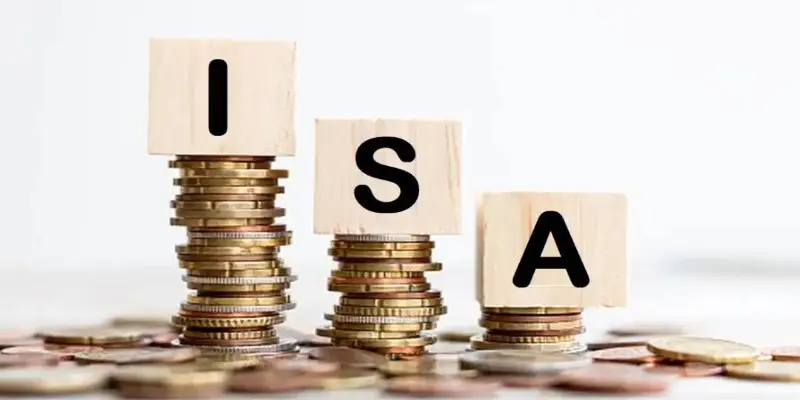
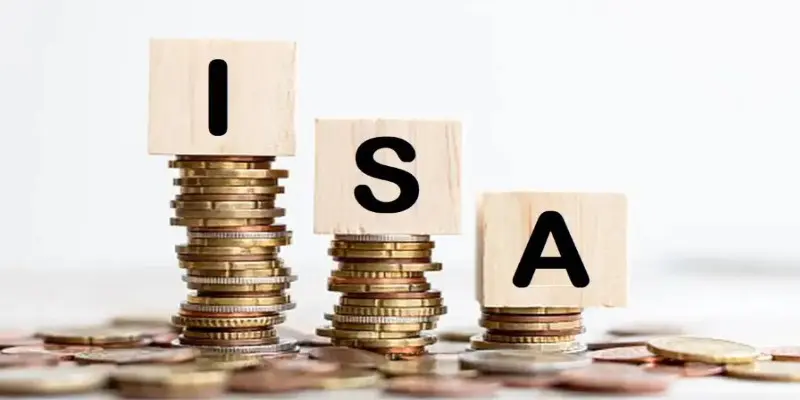
Individual Savings Accounts (ISAs) are a favored financial tool in the UK, providing tax-free savings and investment options. As the financial year changes, you might wonder, "How many ISAs can I have?" The answer isn't entirely straightforward. Understanding the rules for ISAs in 2024 is crucial for optimizing your savings strategy. This article will delve into the limits on the number of ISAs you can hold, the regulations governing them, and tips for making the most of your ISA accounts to enhance your financial planning effectively. Understanding ISA Basics Before diving into how many ISAs you can have, it's crucial to understand what ISAs are and how they work. ISAs are tax-efficient savings and investment accounts available to UK residents. They come in various forms, including Cash ISAs, Stocks and Shares ISAs, Innovative Finance ISAs, and Lifetime ISAs. Each type has its own rules and benefits, but all share the feature of tax-free growth on savings and investments. The Limits of ISAs in 2024: Understanding Your Options In the UK, Individual Savings Accounts (ISAs) are a popular way to save money tax-free. As of 2024, you can legally hold multiple types of ISAs simultaneously, but there are limits on how much you can contribute each tax year and rules on how much you can invest across them. ISA Limits and Regulations In 2024, the regulations around ISAs have remained largely consistent with previous years, but it's always wise to review any updates or changes. Generally, you are allowed to have more than one ISA at a time, but there are specific rules about how you can manage these accounts. The key regulation is that you can only contribute to one ISA of each type per tax year. For example, if you have a Cash ISA and a Stocks and Shares ISA, you can contribute to both, but only one of each type per tax year. The Number of ISAs You Can Have The total number of ISAs you can hold is not explicitly limited. You can have multiple ISAs, but the critical restriction is on contributions. You can open as many ISAs as you want, but you can only contribute to one ISA of each type per year. For instance, if you have a Cash ISA and a Stocks and Shares ISA, you can contribute to both within the same tax year, but you cannot contribute to two Cash ISAs or two Stocks and Shares ISAs in that year. Transferring ISAs If you have multiple ISAs from previous years, you may consider transferring them to consolidate your savings or take advantage of better rates. You can transfer ISAs between providers or types without losing your tax-free status, provided you follow the proper transfer process. It's essential to transfer ISAs correctly to avoid any issues with your tax-free allowance. Your new provider should handle the transfer for you, ensuring that your previous year's contributions remain tax-free. Managing Your ISA Contributions One common question is whether you can have multiple ISAs of the same type but only contribute to one per year. The answer is yes; you can open additional ISAs, but you must ensure that you are only contributing to one ISA of each type within the same tax year. For instance, if you open a new Cash ISA after already having one, you can still only contribute to the first one you opened in that tax year. ISA Allowances and Changes The ISA allowance for the 2024/2025 tax year remains set at £20,000. This is the total amount you can contribute across all your ISAs combined, whether they are Cash ISAs, Stocks and Shares ISAs, Innovative Finance ISAs, or Lifetime ISAs. Remember, the annual allowance does not roll over; it's a use-it-or-lose-it system. Any unused allowance does not carry over to the next year, so careful planning is essential to maximize your tax-free savings. Lifetime ISAs Lifetime ISAs have specific rules and restrictions compared to other ISAs. You can only open one Lifetime ISA, and the annual contribution limit is £4,000, which counts towards the overall £20,000 ISA limit. The government adds a 25% bonus to contributions made to a Lifetime ISA, making it an attractive option for first-time homebuyers and retirement savings. However, if you're looking to contribute to a Lifetime ISA, remember that you cannot open another one and must stay within the contribution limits. ISA Strategy and Considerations Crafting an effective ISA strategy goes beyond knowing how many accounts you can open. It's about smartly using each type of ISA to meet your financial goals. Here's a concise guide to help you optimize your ISA use: Diversify Your Savings Utilize different types of ISAs based on your goals. For short-term needs, like an emergency fund, a Cash ISA is ideal due to its stability and guaranteed interest. For long-term growth, a Stocks and Shares ISA offers higher potential returns, though with more risk. Maximize Your Allowance The ISA allowance for 2024 is £20,000. Use this allowance fully if possible. Allocate it wisely across different ISAs to make the most of your tax-free savings. Remember, any unused allowance does not carry over to the next year. Consider a Lifetime ISA For significant goals like buying your first home or retirement, the Lifetime ISA (LISA) can be beneficial. You can open only one LISA, which offers a 25% government bonus on contributions up to £4,000 annually. This bonus can significantly enhance your savings. Be Strategic About Transfers Consolidating ISAs or transferring them to better providers can be advantageous. Ensure you follow proper transfer procedures to maintain your tax-free status. The new provider usually handles the transfer, but it's good to verify the process. Monitor and Adjust Review your ISA holdings regularly to ensure they align with your financial goals. Adjust your contributions and investments as needed, especially if your goals or market conditions change. Take Advantage of Tax-Free Growth ISAs offer tax-free growth on your savings and investments. Regular contributions, even small ones, can grow significantly over time due to the tax-free nature of ISAs. Plan your contributions to maximize this benefit. Conclusion While there is no explicit limit on the number of ISAs you can hold, you must adhere to the rules about contributions and transfers. You can open and hold multiple ISAs, but you can only contribute to one ISA of each type per tax year. With the ISA allowance set at £20,000 for 2024, managing your contributions wisely and understanding the rules about transfers and types can help you make the most of your tax-free savings options. By staying informed and planning your ISA strategy carefully, you can optimize your savings and investments effectively.

Harnessing the Power of Currency Strength Meter in Forex Trading: An In-Depth Tutorial

Harnessing the Power of Currency Strength Meter in Forex Trading: An In-Depth Tutorial

Forex trading revolves around the ability to forecast currency shifts to secure profitable transactions. Among the various tools available to traders, the Currency Strength Meter stands out as an essential instrument. It helps in determining the relative strength of different currencies, which is crucial for selecting the most advantageous currency pairs for trading. The Currency Strength Meter offers visual representations of currency changes, assisting traders in understanding market trends. This article provides a guide on how to effectively utilize the Currency Strength Meter to refine your Forex trading strategy. Understanding the Currency Strength Meter The Currency Strength Meter is a technical analysis tool that measures the strength of currencies in the Forex market. It compiles real-time exchange rate data from various currency pairs and presents it in a clear and comprehensible format, often using graphs or numerical scales. This tool ranks currencies from the strongest to the weakest, enabling traders to identify potential trades based on current market conditions. It is invaluable for both novice and experienced Forex traders, particularly those involved in fast-paced trading strategies such as day trading or scalping. How the Currency Strength Meter Works The Currency Strength Meter evaluates a currency's performance across various pairs and calculates its relative strength. It collects real-time exchange rate data from several currency pairs (e.g., EUR/USD or GBP/USD) and assesses how each currency performs against others. The tool employs algorithms to process this data, sometimes incorporating factors like volatility or trading volume for a more accurate assessment. The outcome is typically displayed as a chart or numerical ranking, showing which currencies are gaining or losing strength. Traders can adjust the time frame to match their trading preferences, whether they are short-term scalpers or long-term investors. Some advanced meters may even include directional indicators to show whether a currency is increasing or decreasing in strength, offering further insights into potential market trends. While useful, it is recommended to use the currency strength meter in conjunction with other tools for a comprehensive market analysis. Integrating the Currency Strength Meter into Your Trading With your currency strength meter at hand, here are the steps to integrate it effectively into your trading strategy: Identify Strong and Weak Currencies The main purpose of the currency strength meter is to help traders identify the strongest and weakest currencies. Traders generally aim to pair a strong currency with a weak one to maximize profit potential. For instance, if the meter indicates that the USD is strong and the JPY is weak, a trader might choose to buy the USD/JPY pair, anticipating that the USD will rise against the JPY. Confirm Trends While the currency strength meter highlights currency strength, it is essential to validate trends with additional technical indicators. After identifying a strong or weak currency, traders can use tools like the Relative Strength Index (RSI), Moving Averages, or Bollinger Bands to confirm the trend and ensure the meter's readings align with market behavior. Avoid Ineffective Trades Currency strength meters are beneficial for managing portfolio risk. If a trader holds multiple positions, the meter can help prevent placing trades that cancel each other out. For example, if you're long on the USD/EUR and short on the USD/JPY, you might inadvertently be betting both for and against the USD. By recognizing correlations between pairs, you can avoid taking opposing positions that negate your profits. Hedging Strategies Traders can also use the currency strength meter for hedging. If you anticipate a currency's value might decline, you can open a position in a currency pair with a negative correlation to protect yourself from losses. For example, if you're concerned that your long position on the GBP/USD may depreciate, you might hedge by taking a position on USD/JPY, where the dollar could strengthen if the pound weakens. Scalping and Quick Trades For short-term traders, the currency strength meter can be an invaluable asset for scalping. By focusing on currencies showing rapid fluctuations in strength, traders can make swift trades to capitalize on fleeting market movements. However, this

Mastering Finances in a Recession: A Guide to Essential Practices for Stability

Mastering Finances in a Recession: A Guide to Essential Practices for Stability

Economic turbulence makes adept financial management indispensable. Recessions pose unforeseen challenges that can disrupt income and escalate the cost of living. As individuals and households confront budget constraints, it's imperative to embrace prudent financial tactics to mitigate the effects of these tough periods. This article presents six key practices for preserving your finances during a recession, equipping you with the knowledge to make wise choices about your spending and saving behaviors. By adopting these actionable strategies, you can navigate the economic slump and rebound more robustly when the economy improves. Embracing fiscal discipline is key to securing long-term stability and tranquility. Essential Practices for Financial Preservation in a Recession 1. Develop and Adhere to a Budget Crafting a budget is crucial in a recession to take charge of your financial health. Begin by evaluating your earnings and expenditures to pinpoint areas for reduced spending. Classify your spending into essentials and non-essentials, focusing on core needs like housing, utilities, and food. Assign specific budgets for non-essential spending and stick to this plan diligently. Regularly revising and fine-tuning your budget will help you adapt to financial changes, ensuring you stay on course to save and maintain stability amidst uncertainty. 2. Establish an Emergency Fund Having a financial buffer is essential, particularly during a recession. Strive to save at least three to six months of living expenses in a readily accessible savings account. This fund acts as a fallback in the event of unforeseen circumstances, such as job loss or medical costs. Start modestly if needed; even small monthly contributions can accumulate over time. Prioritizing this fund offers reassurance and enhanced financial security, enabling you to manage recessionary uncertainties with confidence. 3. Eliminate Non-Essential Costs In a recession, reassessing your spending habits and trimming non-essential expenses is vital. Begin by examining subscription services, dining expenses, and impulsive purchases. Reflect on whether these costs genuinely enhance your life and cut them if necessary. Opt for cost-effective alternatives, like preparing meals at home or engaging in free local events. By deliberately reducing expenses, you can allocate more funds to savings and necessities, bolstering your financial resilience in tough times. 4. Seek Opportunities to Boost Income Beyond cutting costs, increasing your income can help you navigate a recession. Consider兼职工作 or freelance opportunities that match your skills and interests. Explore selling unused items or offering services like pet care or tutoring. Every additional dollar earned can contribute to your emergency fund and create a larger financial cushion for unexpected events. 5. Utilize Government Support Initiatives During recessions, governments often implement support programs to assist those facing financial difficulties. Investigate and comprehend the various programs available in your region, such as unemployment benefits, food assistance, or housing aid. These initiatives can help cover essential costs and offer temporary relief during tough times. Make sure to verify eligibility criteria and apply for any programs that could benefit your financial health. 6. Remain Informed and Consult Professionals In a recession, the economic landscape can shift rapidly, underscoring the importance of staying informed about market trends and changes. Keep abreast of news and updates from reliable sources to grasp how the economy might affect your finances. If you require further assistance in managing your finances, consult a financial advisor or counselor for personalized advice tailored to your specific circumstances. Avoidances for Financial Preservation in a Recession 1. Avoid Panic and Hasty Decisions In times of economic instability, it's natural to worry about your financial security. However, it's critical not to make hasty decisions driven by fear or panic. Refrain from impulsively withdrawing from investments or making significant purchases that don't align with your budget and long-term financial objectives. Instead, take a moment to reassess your budget and seek professional counsel before making any substantial financial moves. 2. Avoid Ignoring Debt During a recession, it might be tempting to focus on savings

Mastering Financial Stability Amidst Economic Turmoil: A Thorough Guide to Essential Financial Habits

Mastering Financial Stability Amidst Economic Turmoil: A Thorough Guide to Essential Financial Habits

The volatility of economic downturns demands proficient financial management skills. Recessions introduce unique financial challenges that can affect income levels and raise the cost of living. In such challenging times, it is imperative for individuals and households to embrace prudent financial practices to mitigate the effects of these difficult periods. This article delineates six key practices for preserving your financial health during a recession, equipping you with the knowledge to make informed decisions regarding your spending and saving behaviors. By adopting these practical strategies, you can navigate the economic downturn and come out stronger when the economy rebounds. Embracing fiscal discipline is crucial for achieving enduring financial stability and peace of mind. Essential Financial Habits for Weathering a Recession 1. Crafting and Sticking to a Budget Budgeting is an essential tool during recessionary times to maintain financial control. Begin by evaluating your income and expenditures to pinpoint areas for potential spending reductions. Organize your expenses into necessary and discretionary categories, prioritizing basic needs such as housing, utilities, and food. Establish specific budgets for non-essential items and commit to them rigorously. Regularly reassess and modify your budget to adapt to financial changes, ensuring that you stay on course with your savings goals and maintain stability amidst uncertainty. 2. Building an Emergency Fund Creating a financial cushion is critical, particularly during a recession. Strive to save at least three to six months' worth of living expenses in an easily accessible savings account. This fund acts as a safeguard against unforeseen events, such as job loss or unexpected medical costs. Start with small, achievable savings targets; even modest monthly contributions can accumulate over time. Prioritizing an emergency fund provides a sense of security and bolsters your financial safety net, enabling you to manage recession-induced uncertainties with confidence. 3. Cutting Back on Non-Essential Spending In a recession, it's essential to reassess your spending habits and reduce non-essential costs. Review subscription fees, dining expenses, and impulse purchases. Consider whether these expenditures genuinely enhance your life and eliminate them if they do not. Opt for more cost-effective alternatives, such as home cooking or free community activities. By consciously trimming expenses, you can allocate more funds towards savings and essentials, fortifying your financial resilience during tough times. 4. Pursuing Additional Income Streams Beyond reducing costs, increasing your income can also assist in navigating a recession. Consider part-time jobs or freelance opportunities that align with your skills and interests. Explore selling unused items or offering services like pet care or tutoring. Every additional dollar earned can contribute to your emergency fund and create a larger financial buffer for unforeseen events. 5. Utilizing Government Assistance Programs During recessions, governments often implement support measures to aid those facing financial difficulties. Investigate and understand the various programs available in your region, such as unemployment benefits, food assistance, or housing support. These initiatives can help cover essential expenses and offer temporary relief during challenging times. Ensure you review the eligibility criteria and apply for any programs that could benefit your financial situation. 6. Staying Informed and Consulting Professionals In a recession, the economic landscape can shift rapidly, underscoring the importance of staying informed about market trends and developments. Keep abreast of news and updates from reliable sources to comprehend how the economy might affect your finances. If you require additional assistance managing your finances, consult a financial advisor or counselor for personalized advice tailored to your specific circumstances. Financial Stability Strategies to Avoid in a Recession 1. Avoiding Panic and Hasty Decisions Economic instability can naturally lead to concerns about financial security. However, it's crucial not to make hasty decisions driven by fear or panic. Avoid impulsively withdrawing from investments or making significant purchases that do not align with your budget and long-term financial objectives. Instead, take time to reassess your financial plan and seek professional advice before making any major financial moves.

Automatic Savings: Your Path to Effortless Financial Growth

Automatic Savings: Your Path to Effortless Financial Growth

As the pace of modern life continues to accelerate, automating savings has emerged as a popular and effective strategy for achieving financial stability and nurturing a robust savings habit. The practice of "saving automatically" involves setting up systems that regularly transfer funds from your checking account to a savings account or investment portfolio, without the need for manual intervention. This article delves into the benefits, methods, and best practices for automatic savings, guiding you towards a sustainable financial strategy. Why Save Automatically? The primary advantage of automatic savings is the elimination of active decision-making. This fosters a more consistent and disciplined approach to saving, making it easier to build an emergency fund, prepare for major life events, or achieve long-term financial goals such as purchasing a home or funding education. The Psychology of Automatic Savings Human psychology significantly influences financial habits. Often, we overestimate our ability to adhere to a savings plan and underestimate our self-control when spending. By leveraging behavioral finance principles, such as "nudges," automatic savings can promote better financial decision-making. Setting up automatic transfers right after payday can reinforce positive savings behavior and reduce the temptation to spend impulsively. How to Set Up Automatic Savings? Setting up automatic savings typically involves a few straightforward steps: Determine Your Savings Goals Before automating your savings, take the time to identify your specific goals. These might include building an emergency fund, saving for a down payment on a house, preparing for retirement, or funding a vacation. Clearly defined goals provide motivation and structure, helping you prioritize financial decisions and stay focused on what matters most. Choose the Right Accounts With your goals in place, the next step is to open a high-yield savings account or a dedicated investment account that aligns with those objectives. Research various financial institutions to find accounts offering competitive interest rates and lower fees, as these factors can significantly impact your overall returns. High-yield accounts, in particular, offer better interest rates than traditional savings accounts, making them ideal for long-term savings. Additionally, consider accounts with features tailored to your needs, such as goal tracking or milestones. Establish a Regular Transfer Schedule Decide on a specific amount or percentage of your paycheck to save, based on your overall budget. Many individuals find it helpful to automate their savings by selecting a percentage that fits their financial routine seamlessly. Set up automated transfers on a schedule that suits your lifestyle—whether weekly, bi-weekly, or monthly. This consistency allows your money to grow steadily over time without requiring active management. Utilize Financial Apps and Tools In today's digital age, numerous financial apps can facilitate automatic savings. Consider using mobile applications that link your bank accounts and help manage your finances effectively. Many fintech apps not only automate your savings but also provide insights into your spending habits and track your financial progress. Some apps even offer features like rounding up purchases to the nearest dollar and saving the spare change, adding an effortless layer of savings to your daily transactions. Review and Adjust Regularly It's important to regularly review your automatic savings plan to ensure it remains aligned with your goals. As your financial situation evolves—whether you receive a raise, pay off debt, or encounter unexpected expenses—adjust your savings contributions accordingly. Regular check-ins help you assess progress and make informed decisions about your financial future, ensuring you stay on track to meet your targets. Best Practices for Successful Automatic Savings To maximize the effectiveness of your automatic savings plan, adopt best practices that enhance financial discipline and ensure you meet your goals efficiently. These practices help maintain consistency, adapt to changing circumstances, and foster a successful savings journey. Start Small and Gradually Increase If you're new to automatic savings, begin with a small, manageable amount that fits within your budget. Starting small allows you to adjust to the habit of saving without feeling overwhelmed. Gradually increase your contributions as you become more accustomed to the process, ensuring a sustainable savings rate over the long term. Keep Your Savings Accessible but Separate Avoid the temptation of dipping into your savings for non-emergency expenses by keeping your savings account separate from your primary checking account. This separation creates a psychological barrier, helping you resist impulsive withdrawals. Ensure your savings remain accessible in emergencies by setting up a high-yield savings account that offers competitive interest rates and easy access when needed. Celebrate Milestones Recognize and celebrate your accomplishments as you achieve savings milestones, as this can boost motivation. Milestones can include reaching a certain percentage of your overall goal or hitting a specific dollar amount. Celebrating these achievements—whether through a small reward or sharing success with friends and family—reinforces your commitment to saving and makes the process more enjoyable. Stay Informed Stay proactive in educating yourself about personal finance and various investment options. The financial landscape is constantly evolving, and being informed empowers you to make the best decisions regarding your finances. Understanding different savings vehicles, interest rates, and investment opportunities can optimize your financial growth over time. Conclusion Automating your savings is a powerful tool for enhancing your financial well-being. By proactively setting up systems for effortless saving, you're more likely to achieve financial goals and build a secure future. Explore the options available for automatic savings and remember that consistency and commitment are key. With thoughtful planning and discipline, you can set yourself on a path toward financial success.

Thriving in Turbulent Times: Key Strategies for Financial Survival During Economic Downturns

Thriving in Turbulent Times: Key Strategies for Financial Survival During Economic Downturns

In the face of economic instability, the art of financial management becomes paramount. Recessions can lead to unforeseen hardships, threaten financial security, and escalate living costs. For individuals and households grappling with budget constraints, it's imperative to embrace astute financial tactics to mitigate the effects of such trying periods. This article delves into six indispensable guidelines for conserving funds during a recession, equipping you with the knowledge to make prudent decisions regarding your expenditures and savings. By adopting these actionable recommendations, you can not only withstand economic challenges but also bounce back stronger once the economy rebounds. Recognizing the value of fiscal prudence is the first step towards achieving lasting stability and peace of mind. Strategies for Saving Money During a Recession 1. Develop and Adhere to a Budget Crafting a budget amidst a recession is essential for asserting control over your financial affairs. Begin by evaluating your income and expenditures to pinpoint areas for potential reductions. Sort your expenses into categories of necessities and luxuries, with a focus on essentials such as housing, utilities, and food. Assign specific budgets for non-essential spending and commit to this plan with discipline. Regularly reassess and modify your budget to accommodate any shifts in your financial landscape, ensuring you remain on course to save and maintain stability amidst uncertainty. 2. Establish an Emergency Fund Amassing a financial buffer is crucial, particularly in times of recession. Aim to save at least three to six months' worth of living expenses in a readily accessible savings account. This fund acts as a safety net for unforeseen circumstances such as job loss or medical emergencies. If necessary, start with small amounts; even incremental savings can accumulate over time. Prioritizing this fund fosters peace of mind and enhanced financial security, enabling you to navigate recessionary uncertainties with confidence. 3. Eliminate Non-Essential Spending Revisiting your spending habits and slashing non-essential costs is vital during a recession. Begin by scrutinizing subscription services, eating out, and impulse purchases. Reflect on whether these expenses genuinely enhance your life and make the appropriate cuts. Opt for cost-effective alternatives, such as home cooking instead of dining out or exploring free local events. By deliberately trimming your expenses, you can allocate more resources towards savings and necessities, bolstering your financial resilience during difficult times. 4. Seek Opportunities to Boost Income Beyond cutting costs, identifying avenues to augment your income can help you stay financially afloat during a recession. Consider part-time jobs or freelance work that align with your skills and interests. You might also consider selling unused items or offering services such as pet care or tutoring. Every additional dollar earned can contribute to bolstering your emergency fund and creating a more robust financial cushion for unexpected events. 5. Utilize Government Support Initiatives During recessions, governments often implement support initiatives to assist those facing financial hardship. Investigate and comprehend the programs available in your region, such as unemployment benefits, food assistance, or housing subsidies. These initiatives can assist with covering essential expenses and offer temporary relief during tough times. Verify eligibility criteria and apply for any programs that could alleviate your financial strain. 6. Remain Informed and Consult Professionals The economic climate can fluctuate rapidly during a recession, underscoring the importance of staying informed about market trends and changes. Monitor news and updates from reliable sources to grasp how the economy may affect your finances. If you require additional guidance or support in managing your finances during a recession, reach out to a financial advisor or counselor who can offer tailored advice based on your unique circumstances. Avoidances for Saving Money During a Recession 1. Avoid Panic and Hasty Decisions It's natural to feel anxious about your financial stability amidst economic uncertainty. However, refrain from making impulsive decisions driven by fear or panic. Resist the urge to hastily withdraw from investments or make significant purchases that don't align with your budget and long-term financial objectives. Instead, take a moment to reflect, review your budget, and seek professional counsel before making substantial financial decisions. 2. Avoid Ignoring Debt During a recession, it

Boost Your Financial Health with Transparent Budgeting

Boost Your Financial Health with Transparent Budgeting

In a time when financial discussions are often shrouded in secrecy, the concept of "transparent budgeting" is gaining traction as an innovative and refreshing approach. This method is built on the pillars of openness and honest dialogue when dealing with personal or family finances. Unlike traditional budgeting methods that are typically kept private, transparent budgeting encourages the open sharing of financial information. This article delves into the world of transparent budgeting, outlining its principles, discussing how it functions, and evaluating its pros and cons. It also offers guidance on how to navigate the challenges associated with this budgeting style. The Core of Transparent Budgeting Transparent budgeting is a financial strategy that emphasizes openness and communication. The idea is simple: instead of keeping your budget to yourself, you share it with those who are impacted by or interested in your financial decisions. This could mean discussing your budget with your partner, family members, or even close friends. The goal is to ensure that everyone is on the same page regarding financial goals, constraints, and expectations. At its core, transparent budgeting is about breaking down the mystique around money. Many people grow up in environments where financial conversations are discouraged, leading to discomfort and confusion about finances. By making budgeting a collaborative activity, transparent budgeting helps to break down these barriers and fosters an atmosphere of financial understanding and support. How Transparent Budgeting Works Implementing transparent budgeting requires a shift in mindset. Rather than considering money as a private matter, you begin to see it as a shared resource that requires collaborative management. Here are the steps to start practicing transparent budgeting: Honest Conversations Begin by engaging in candid discussions about your financial situation with those who are involved. This includes discussing income, expenses, savings goals, and any financial challenges. The objective is to be transparent and not withhold any information that could affect your budgeting decisions. Shared Responsibility Transparent budgeting is most effective when everyone shares the responsibility for the budget. This means that no single person is solely responsible for the finances; instead, all parties are involved in the decision-making process. This shared responsibility fosters accountability and ensures that everyone is committed to achieving financial objectives. Regular Reviews To keep the budgeting process on track, it's essential to conduct regular financial reviews. These could be weekly or monthly meetings where you assess your budget, evaluate your progress, and make any necessary adjustments. Regular reviews help maintain openness and keep everyone informed about the financial status. Accurate Record-Keeping Transparent budgeting is enhanced by meticulous tracking of your financial activities. This might involve maintaining a shared budget spreadsheet, using budgeting apps that support multiple users, or simply keeping a record of your financial decisions. The aim is to ensure that all financial data is accessible and understandable to everyone involved. Benefits and Drawbacks of Transparent Budgeting Like any financial approach, transparent budgeting has its advantages and disadvantages. Understanding these can help you determine if this method is right for you. Benefits of Transparent Budgeting Improved Financial Clarity: One of the most significant benefits of transparent budgeting is the increased clarity it brings to your financial life. When all parties involved in your finances are aware of the budget, there's less chance of misunderstandings or conflicts. Enhanced Accountability: Transparent budgeting naturally promotes a sense of accountability. When your financial decisions are subject to the scrutiny of others, you're more likely to stick to your budget and avoid impulsive spending. This accountability can be particularly valuable for those who struggle with financial discipline. Increased Financial Literacy: Transparent budgeting can enhance everyone's understanding of money management by having open discussions about finances. This increased financial literacy can offer long-term benefits, helping individuals and families make smarter financial decisions and accumulate wealth over time. Disadvantages of Transparent Budgeting While transparent budgeting offers numerous benefits, it also has potential drawbacks that should be considered. These include the potential

Navigating Challenging Economic Times: Financial Strategies for Weathering a Downturn

Navigating Challenging Economic Times: Financial Strategies for Weathering a Downturn

During periods of economic turbulence, mastering personal finance management becomes crucial. Economic downturns can introduce unexpected challenges, compromise income stability, and increase the cost of living. As people face tighter budget constraints, it's essential to adopt smart financial practices to lessen the impact of these difficult times. This piece outlines six key strategies for conserving funds during a recession, helping you to make wise choices about your spending and saving habits. By following these practical tips, you can weather the economic storm and emerge stronger when the economy recovers. Embracing financial discipline is key to achieving lasting stability and peace of mind. Financial Survival Tactics During a Recession 1. Create and Stick to a Budget Budgeting is a critical step in regaining control of your finances during a recession. Start by assessing your income and expenses to identify areas where you can cut back. Categorize your spending into essential and non-essential items, prioritizing basic needs such as housing, utilities, and groceries. Set specific budgets for discretionary spending and commit to your plan. Regularly review and adjust your budget to reflect any changes in your financial situation, ensuring you remain on track to save and maintain financial stability during volatile times. 2. Build an Emergency Fund Having a financial cushion is especially important during a recession. Aim to save enough to cover three to six months of living expenses in an easily accessible savings account. This fund serves as a safety net for unexpected events like job loss or medical emergencies. Begin with small savings if necessary; even modest monthly contributions can add up over time. Prioritizing this fund provides reassurance and financial security, allowing you to navigate recessionary uncertainties with more confidence. 3. Cut Back on Non-Essential Expenses Reevaluating your spending habits and eliminating non-essential costs is crucial during a recession. Examine subscription services, dining out, and impulse purchases. Consider whether these expenses truly enhance your life and make necessary reductions. Seek out cost-effective alternatives, such as cooking at home instead of eating out or exploring free local activities. By intentionally reducing your expenses, you can allocate more funds to savings and essential needs, thus strengthening your financial resilience during tough times. 4. Pursue Additional Income Streams Beyond reducing expenses, finding ways to increase your income can help you stay financially afloat during a recession. Consider part-time jobs or freelance work that match your skills and interests. You might also sell unwanted items or offer services like pet sitting or tutoring. Every extra dollar earned can help build your emergency fund and create a larger financial buffer for unexpected events. 5. Take Advantage of Government Assistance Programs Governments often introduce support measures during recessions to help those facing financial difficulties. Research and understand the programs available in your area, such as unemployment benefits, food assistance, or housing support. These initiatives can assist with covering essential costs and provide temporary relief during hard times. Check eligibility requirements and apply for any programs that could improve your financial situation. 6. Stay Informed and Seek Professional Advice The economic landscape can change rapidly during a recession, making it important to keep up with market trends and developments. Monitor news and updates from reliable sources to understand how the economy might impact your financial health. If you need additional help or guidance in managing your finances during a recession, consult a financial advisor or counselor who can provide personalized advice based on your specific needs. Avoidances for Financial Conservation During a Recession 1. Avoid Making Rash Decisions It's natural to feel anxious about your financial security during economic uncertainty. However, avoid making hasty decisions driven by fear or panic. Resist the urge to withdraw from investments or make significant purchases that don't fit your budget and long-term financial goals. Instead, take a moment to pause, review your budget, and seek professional advice before making substantial financial decisions. 2. Avoid Ignoring Debt

Safeguard Your Well-Being: Steps to Create a Medical Emergency Fund

Safeguard Your Well-Being: Steps to Create a Medical Emergency Fund

In today's unpredictable world, having a medical emergency fund is not just a prudent choice but a necessary safeguard for your health and financial well-being. Medical emergencies can arise unexpectedly, often leaving individuals and families grappling with staggering medical bills and the accompanying stress. By establishing a dedicated fund for such unforeseen expenses, you can ensure that you are prepared to handle health-related crises without derailing your financial stability. This proactive approach not only provides peace of mind but also empowers you to focus on recovery rather than worrying about the fiscal implications of medical care. In the following sections, we will explore practical steps to help you effectively create and manage your medical emergency fund, ensuring a healthier, more secure future. Assess Your Healthcare Costs The first step in building a medical emergency fund is to thoroughly assess your healthcare costs. Take the time to evaluate both your routine medical expenses and potential out-of-pocket costs that could arise from unexpected situations. Start by reviewing your monthly bills, including insurance premiums, copayments, and any ongoing prescriptions. Additionally, factor in the cost of annual check-ups and preventive care. It's also essential to consider variables such as deductibles, emergency room visits, or specialist fees, which can significantly impact your financial landscape in a crisis. Understanding your healthcare expenses will provide you with a clearer picture of how much you need to save and allow you to set realistic goals for your medical emergency fund. Set a Savings Goal Once you have assessed your healthcare costs, it's time to define a savings goal for your medical emergency fund. It's advisable to have at least six months' worth of living expenses saved in your emergency fund, including healthcare-related costs. However, this amount can vary depending on individual circumstances. A single person with no dependents may need less than a family with children or older adults with chronic illnesses. Factors to Consider When Setting a Goal When setting a savings goal for your medical emergency fund, it's crucial to take into account your family size and health history. Family Size: The number of dependents in your household can dramatically influence your healthcare costs. Larger families typically face higher medical expenses due to increased routine visits, vaccinations for children, and the potential need for more extensive medical care. Consider the specific needs of each family member, as children and elderly individuals may have higher healthcare requirements. Health History: Your family's medical history plays a significant role in determining potential healthcare expenses. If there are chronic conditions or hereditary illnesses prevalent within your family, it's wise to anticipate associated costs—even if they are not currently an issue. Additionally, personal health conditions, such as diabetes or heart issues, should be factored into your savings goal, as these may require ongoing treatment, frequent doctor's visits, and prescription medications. By carefully evaluating these factors, you can set a more accurate and realistic savings target that will prepare you for future medical emergencies. Create a Dedicated Savings Account Establishing a dedicated savings account for your medical emergency fund is a vital step in ensuring that your savings remain untouched for other expenses. Choose a high-yield savings account or a money market account that offers better interest rates than traditional savings accounts, allowing your funds to grow over time while remaining easily accessible in case of emergencies. When setting up this account, be sure to keep it separate from your regular checking and savings accounts to prevent the temptation to dip into these funds for non-emergency-related purchases. Additionally, consider automating your contributions to this account through direct deposits or scheduled transfers from your primary account. This method not only helps in building your fund consistently but also takes the effort out of manual savings, reinforcing your commitment to securing your financial health. Regularly review your savings growth and adjust your contributions as needed, ensuring that you stay on track to meet your established savings goal. Establish a Regular Savings Plan Creating a regular savings plan is crucial for the success of your medical emergency fund. Consistency in contributions will help you reach your savings goal more effectively. Start by determining how much money you can allocate monthly towards your medical emergency fund. This amount should be based on your overall budget, taking into account your essential expenses and discretionary spending. Implementing Your Savings Plan To implement your savings plan, consider breaking down your annual savings goal into manageable monthly contributions. For example, if you aim to save $6,000 within a year, you would need to set aside $500 each month. Consider utilizing automated transfers from your checking account to your dedicated savings account. This "pay yourself first" strategy ensures that your savings are prioritized and removes the temptation to spend the funds elsewhere. Regularly Reassess Your Contributions As your financial situation evolves, it's important to periodically reassess your savings contributions. Changes in income, family circumstances, or healthcare needs may require adjustments to your plan. Aim to review your savings plan every six months and adjust your contributions accordingly, ensuring that you remain on track to achieve your medical emergency fund goals. Conclusion Building a medical emergency fund is an essential step in securing your financial health and ensuring peace of mind during unexpected medical situations. By assessing your healthcare costs, setting a realistic savings goal, creating a dedicated savings account, and implementing a regular savings plan, you can be better prepared to face any potential medical emergencies that may arise. Remember to regularly reassess your contributions and adjust as needed to stay on track towards achieving your financial goals. With these steps in place, you can rest assured that you are taking proactive measures towards a healthier, more secure future for yourself and your loved ones.

Mastering the Art of Budget-Friendly Christmas Celebrations

Mastering the Art of Budget-Friendly Christmas Celebrations

The festive spirit of Christmas is upon us, and with it comes the challenge of managing holiday cheer within the constraints of our wallets. As we approach Christmas 2024, it's crucial to find innovative ways to keep the magic alive without breaking the bank. This guide will provide you with effective strategies to maintain your festive budget, ensuring that you can celebrate in style without financial regrets. In this article, we'll uncover practical advice and ingenious methods to keep your Christmas spending under control. This will enable you to share the joy of the season with your loved ones while keeping your finances in check. From smart shopping techniques to crafting your own gifts, let's explore how to make this Christmas memorable and cost-effective. Top Budget-Friendly Tips for Christmas 2024 Here are the top budget-friendly tips for Christmas 2024 to help you maintain your holiday joy while keeping your expenses in check. Crafting a Pragmatic Christmas Budget The initial step towards financial prudence during Christmas is to craft a pragmatic budget. Begin by cataloging all expected expenses, such as presents, decor, meals, and entertainment. After compiling a detailed list, assign a spending cap for each category. This will prevent overspending and provide transparency on your financial outlay. Keep in mind, a budget is not about diminishing enjoyment; it's about allocating your funds wisely to alleviate financial stress during the holidays. Allocating Funds Wisely With your budget set, it's crucial to allocate funds wisely. Identify the areas that hold the most value for you and distribute your budget accordingly. For instance, if gift-giving is a priority, you might opt to spend less on decorations or festive gatherings. By allocating funds wisely, you ensure that your budget aligns with your values, enhancing the enjoyment of the holiday season without financial strain. Strategic Holiday Shopping Employing strategic shopping tactics can significantly reduce your overall holiday spending. Initiate your shopping early to capitalize on sales and evade the last-minute rush, which often leads to impulsive buying. Also, consider leveraging cashback apps and discount codes to economize on your purchases. By being a shrewd shopper, you can uncover excellent deals without compromising on gift quality. Handmade Gifts and Handicrafts Offering handmade gifts is one of the most sincere ways to economize this Christmas. These gifts often carry greater sentimental value and can be significantly more affordable than their store-bought counterparts. Think about crafting holiday ornaments, baking sweets, or devising personalized photo albums. These considerate gestures can be as significant as high-priced gifts, demonstrating the time and effort you've invested in your presents. DIY Decor and Gift Wrapping Decor and gift wrapping are additional areas where you can economize. Rather than purchasing new decor annually, consider crafting your own or repurposing items from past holidays. For example, you can fashion festive ornaments from materials you already possess. Similarly, use old newspapers, fabric scraps, or recycled paper to wrap your gifts inventively. This not only conserves funds but also adds a unique and personal touch to your holiday decorations. Strategizing Holiday Feasts Holiday feasts are often a highlight of Christmas celebrations, yet they can be quite costly. To economize, meticulously plan your meals and compile a shopping list before visiting the grocery store. Opt for dishes that are both palatable and budget-friendly. You can also invite guests to contribute a dish, which helps distribute the cost of the meal. By strategizing and being mindful of your ingredients, you can indulge in a festive feast without overspending. Engaging in Cost-Free and Low-Cost Activities The Christmas season is replete with opportunities for enjoyment that won't dent your wallet. Seek out free or low-cost activities in your community, such as local holiday markets, tree-lighting ceremonies, or charity events. These activities can provide entertainment and forge lasting memories without burdening your budget. Additionally, organizing a holiday movie night or game night

Embarking on the Journey to Credit Union Membership: A Comprehensive 2024 Guide

Embarking on the Journey to Credit Union Membership: A Comprehensive 2024 Guide

Embarking on the journey to credit union membership is a step towards more personalized financial services. Unlike conventional banks, credit unions are cooperatively owned by their members, often resulting in lower fees and more favorable interest rates. If you're considering this financial shift, you might be curious about the initiation process. This guide will provide a clear path for you to join a credit union and reap the benefits of membership. Whether you're in pursuit of superior savings rates, a more tailored service experience, or an alternative to conventional banking, this article will guide you through the necessary steps. Discovering the Credit Union Difference Before you embark on the membership journey, it's crucial to grasp what distinguishes credit unions from traditional banks. As non-profit entities owned by their members, credit unions return any profits to the members in the form of reduced loan rates, enhanced savings rates, and minimal fees. Credit unions stand in contrast to banks, which are profit-driven and shareholder-owned, focusing on member service and governed by a democratically elected board of directors. The Credit Union Model A credit union functions as a financial cooperative owned by its members. Each member holds a dual role as an owner, with decisions made democratically, ensuring each member's vote carries equal weight, irrespective of their deposit amount. This model keeps the credit union focused on member service rather than profit maximization. Members' pooled savings are utilized to offer a range of financial services, including loans and credit cards. As non-profit organizations, credit unions channel earnings back to members via lower lending rates, higher interest on savings, and reduced fees. The board of directors, elected by the members, supervises the credit union's operations, ensuring it remains true to its mission of community service. This structure promotes a personalized and community-centric banking experience, prioritizing member needs and financial well-being. Joining a Credit Union: A Step-by-Step Journey Ready to take the plunge into credit union membership? Here's your roadmap to get started. Assessing Eligibility The initial step in joining a credit union is to assess your eligibility. Credit unions often require a common bond among members, such as shared geography, profession, or affiliation with a specific organization. This bond qualifies you for membership. Some credit unions are open to all residents of a certain area, while others may require specific professional or group affiliations. To determine your eligibility, visit the credit union's website or reach out to their membership services. Choosing the Right Credit Union Since not all credit unions are identical, it's vital to select one that aligns with your needs. Begin by researching local credit unions or those that meet your eligibility criteria. Evaluate their services, fees, and member benefits to find the one that matches your financial aspirations. For instance, some credit unions may offer specialized financial products like loans for first-time homebuyers or business accounts, while others might concentrate on personal savings and checking accounts. Gathering Necessary Documents After selecting a credit union, compile the required documents for membership application. Typical documents include a government-issued ID, proof of residence, and possibly proof of eligibility (like employment verification for credit unions associated with specific employers). Be prepared to submit these documents to facilitate a seamless application process. Filling Out the Application With your documents ready, you can now complete the membership application. Many credit unions offer online applications for your convenience, but you can also visit a local branch if you prefer. The application will request basic personal details such as your name, address, Social Security number, and employment information. An initial deposit may also be required, which serves as your share in the credit union and grants you voting rights. Participating in Orientation or Meetings Some credit unions may require new members to attend an orientation session or meeting. This is an opportunity to familiarize yourself with the credit union's services, connect with

Exploring ISAs: The Legal Framework for Holding Multiple Accounts in 2024

Exploring ISAs: The Legal Framework for Holding Multiple Accounts in 2024

Individual Savings Accounts (ISAs) are a popular financial instrument in the UK, known for their tax-advantaged savings and investment opportunities. As we enter a new financial year, you might be curious about the number of ISAs you're permitted to hold. The regulations are not as simple as they might seem. Grasping the intricacies of ISAs for the year 2024 is essential for maximizing your savings potential. This piece will explore the constraints on the quantity of ISAs you can possess, the legal guidelines that govern them, and advice on optimizing your ISA portfolio to bolster your financial planning effectively. Grasp the Fundamentals of ISAs Before discussing the number of ISAs you can hold, it's important to grasp the concept of ISAs and their mechanics. Available to UK residents, ISAs are tax-efficient accounts that encompass Cash ISAs, Stocks and Shares ISAs, Innovative Finance ISAs, and Lifetime ISAs. Each category has unique regulations and advantages, but they all share the perk of tax-exempt growth on your savings and investments. The 2024 ISA Ceiling: Navigating Your Options Within the UK, ISAs are a common tax-free savings avenue. As of 2024, you are legally permitted to maintain multiple ISA types at the same time, but there are restrictions on annual contributions and rules about分散投资 across them. Regulations and ISA Ceilings The ISA regulations for 2024 have remained largely the same as in previous years, but it's always prudent to check for any updates or modifications. Generally, you are permitted to hold more than one ISA simultaneously, but there are specific guidelines on managing these accounts. The principal rule is that you can only make contributions to one ISA per category each tax year. For instance, if you possess both a Cash ISA and a Stocks and Shares ISA, you can contribute to both, but only one of each category per tax year. Quantifying the Number of ISAs There is no explicit limit on the total number of ISAs you can possess. While you can open multiple ISAs, the key restriction pertains to contributions. You can open as many ISAs as you like, but you can only contribute to one of each type annually. For example, even if you have both a Cash ISA and a Stocks and Shares ISA, you can only contribute to one of each type within the same fiscal year. ISA Transfers If you're managing multiple ISAs from prior years, you might contemplate transferring them to consolidate your funds or take advantage of more favorable rates. You can transfer ISAs between providers or categories without jeopardizing your tax-free status, provided you adhere to the correct transfer procedures. It's crucial to handle ISA transfers correctly to preserve your tax-free benefits. Your new provider should facilitate the transfer, ensuring that your previous year's contributions remain untaxed. Managing ISA Contributions A common inquiry is whether you can have multiple ISAs of the same category but contribute to only one per year. The answer is affirmative; you can open additional ISAs, but you must ensure that you contribute to only one ISA of each category within the same tax year. For example, if you open a new Cash ISA after already possessing one, you can only contribute to the initial one you opened in that tax year. ISA Allowances and Variations The ISA allowance for the 2024/2025 fiscal year remains capped at £20,000. This is the aggregate amount you can contribute across all your ISAs combined, spanning Cash ISAs, Stocks and Shares ISAs, Innovative Finance ISAs, and Lifetime ISAs. Remember, the annual allowance is non-refundable; it operates on a use-it-or-lose-it basis. Any未使用的 allowance does not roll over to the subsequent year, so strategic planning is vital to maximize your tax-free savings. Lifetime ISAs Lifetime ISAs have distinct rules and limitations compared to other ISAs. You can only open one Lifetime ISA, with an annual contribution cap of £4,000, which is included in the overall £

Harnessing the Power of Cost-Effective Phone Plans in the Face of Rising Expenses

Harnessing the Power of Cost-Effective Phone Plans in the Face of Rising Expenses

In today's fast-paced digital world, mobile phones are essential for staying connected with work, family, and information. However, as the cost of living increases, many are facing financial challenges with smartphone ownership and associated plans. Amidst rising expenses, it's important to review your mobile service spending and find ways to cut costs without sacrificing quality. This guide provides practical tips on reducing your phone bill, such as evaluating your current plan, exploring alternative providers, and taking advantage of discounts. By making informed choices, you can save on your phone expenses while maintaining your connectivity. Examining Your Current Plan To effectively lower your phone plan costs, it's crucial to conduct a detailed analysis of your existing contract. Start by reviewing the services you're paying for—do you actually use all the data, minutes, and texts included? Be aware of any limitations, such as data caps or specific call times, that could hinder your communication. Then, assess the financial aspects of your plan, including the monthly fee and any additional charges, like overage fees, device payments, or international call rates. Moreover, identify any unnecessary add-ons or services that may be inflating your bill. Many carriers offer premium features like mobile insurance, enhanced customer service, or extra data packages that might not be essential for your needs. By recognizing these extras, you can choose to reduce or remove them, leading to a more efficient and economical phone plan. Exploring Market Alternatives After understanding your current phone plan, research the various options available in the market. Begin by investigating different carriers and their plans, as many update their offerings regularly to remain competitive. Look for budget-friendly options, such as pay-as-you-go plans or smaller carriers, which often promise significant savings compared to larger networks. Use comparison websites to evaluate different plans, focusing on key factors like data limits, call minutes, contract lengths, and prices. Keep an eye on coverage maps to ensure that alternative providers offer reliable service in your area, as this can greatly impact your overall experience. Also, consider taking advantage of promotional offers, such as introductory rates or referral incentives, which can further reduce your monthly expenses. Comparing Prepaid and Postpaid Options When considering alternative phone plans, deciding between prepaid and postpaid options is an important decision. Prepaid plans require upfront payment for services, typically without a contract or credit check. This can be a great option if you have low usage and want more control over your spending. On the other hand, postpaid plans involve payment after service usage, usually through monthly billing. While postpaid plans may offer more flexibility and features, they can also come with additional charges and strict contracts. It's essential to weigh your usage patterns and budget carefully when choosing between prepaid and postpaid options. Considering Family or Group Plans A cost-effective strategy to reduce your phone plan expenses is to look into family or group plans offered by many carriers. These plans allow multiple lines to be combined under one account, often leading to significant savings over individual plans. By sharing data, minutes, and texts, family or group plans can provide an economical solution for families or groups of friends willing to share resources. When exploring these options, assess your group's total usage patterns to ensure that the collective plan meets everyone's needs without exceeding data limits, which can lead to extra charges. Additionally, inquire about specific carrier benefits, such as discounts for activating multiple lines or promotional offers designed for family accounts. Ultimately, switching to a family or group plan can lower individual costs and simplify billing with a single monthly statement. Negotiating with Your Service Provider After evaluating your current plan and exploring alternatives, it's time to engage with your provider to negotiate better rates or terms. Start by gathering information on competitive offers from other carriers as leverage in your discussions. Many providers are aware of the competitive landscape and may be willing to adjust your plan to retain you as a customer. When contacting customer service, be polite yet firm; clearly state your desire for a better deal based on your research. Consider

Diving into Individual Savings Accounts (ISAs): A Comprehensive Guide to Multiple Accounts in 2024

Diving into Individual Savings Accounts (ISAs): A Comprehensive Guide to Multiple Accounts in 2024

Individual Savings Accounts (ISAs) are a favored financial tool in the UK, offering tax-advantaged opportunities for saving and investing. As we step into the new financial landscape of 2024, understanding the regulations surrounding the number of ISAs you can hold is crucial. The rules may not be as straightforward as they appear. Mastering the nuances of ISAs for 2024 is key to unlocking your full savings potential. This article delves into the limitations on the number of ISAs you can hold, the legal framework governing them, and strategies for optimizing your ISA portfolio to enhance your financial planning effectively. Understanding the Basics of ISAs Before delving into the specifics of holding multiple ISAs, it's essential to understand what ISAs are and how they function. Available to UK residents, ISAs are tax-efficient accounts that include Cash ISAs, Stocks and Shares ISAs, Innovative Finance ISAs, and Lifetime ISAs. Each type has its own set of rules and benefits, but they all offer the advantage of tax-free growth on your savings and investments. The 2024 ISA Limit: Exploring Your Options In the UK, ISAs are a prevalent tax-free savings option. As of 2024, you are legally allowed to hold several types of ISAs concurrently, but there are constraints on annual contributions and rules regarding分散投资 across them. Regulations and ISA Limits The ISA regulations for 2024 have stayed largely unchanged from previous years, but it's always wise to check for any updates or changes. Generally, you can hold more than one ISA at the same time, but there are specific rules on managing these accounts. The main rule is that you can only contribute to one ISA per category each tax year. For instance, if you have both a Cash ISA and a Stocks and Shares ISA, you can contribute to both, but only one of each category per tax year. Determining the Number of ISAs There is no set limit on the number of ISAs you can hold. While you can open multiple ISAs, the primary restriction is on contributions. You can open as many ISAs as you like, but you can only contribute to one of each type annually. For example, even if you have both a Cash ISA and a Stocks and Shares ISA, you can only contribute to one of each type within the same fiscal year. ISA Transfers If you're managing multiple ISAs from previous years, you might consider transferring them to consolidate your funds or take advantage of more favorable rates. You can transfer ISAs between providers or categories without affecting your tax-free status, provided you follow the correct transfer procedures. It's essential to handle ISA transfers correctly to preserve your tax-free benefits. Your new provider should facilitate the transfer, ensuring that your previous year's contributions remain untaxed. Managing ISA Contributions A common question is whether you can have multiple ISAs of the same category but contribute to only one per year. The answer is yes; you can open additional ISAs, but you must ensure that you contribute to only one ISA of each category within the same tax year. For example, if you open a new Cash ISA after already having one, you can only contribute to the first one you opened in that tax year. ISA Allowances and Variations The ISA allowance for the 2024/2025 fiscal year remains capped at £20,000. This is the total amount you can contribute across all your ISAs combined, including Cash ISAs, Stocks and Shares ISAs, Innovative Finance ISAs, and Lifetime ISAs. Remember, the annual allowance is non-refundable; it operates on a use-it-or-lose-it basis. Any未使用的 allowance does not carry over to the following year, so strategic planning is crucial to maximize your tax-free savings. Lifetime ISAs Lifetime ISAs have unique rules and limitations compared to other ISAs. You can only open one Lifetime ISA, with an annual contribution cap of £4,000, which is included in the overall £

How to Save on Your Phone Plan Despite Rising Costs

How to Save on Your Phone Plan Despite Rising Costs

In today's fast-paced digital world, mobile phones are essential for staying connected to work, family, and an endless array of information. However, with rising prices in almost every sector, many people are feeling the financial strain of maintaining a smartphone and its associated plan. As consumer costs continue to climb, it's vital to evaluate your spending on phone services and explore effective strategies to cut costs without sacrificing quality. This guide delves into practical tips for trimming your phone expenses, including assessing your current plan, evaluating alternative providers, and taking advantage of discounts. By making informed choices, you can save money while staying connected. Understanding Your Current Plan Before you can effectively cut costs on your phone plan, it's crucial to thoroughly review your existing package. Start by examining the features included—are you using all the data, minutes, and texts provided? Take note of any limitations, such as capped data usage or restricted call times, that may impact your connectivity. Next, assess the costs associated with your plan. This includes the monthly fee and any additional charges that may arise, such as overage fees, device payments, or international calling rates. Additionally, identify any unnecessary add-ons or services that may be inflating your bill. Many carriers offer premium features such as mobile insurance, enhanced customer service options, or additional data packages that might not be essential for your typical usage. By recognizing these extras, you can determine whether to downgrade or eliminate them, ultimately leading to a more streamlined and cost-effective phone plan. Researching Alternative Plans Once you understand your current phone plan, explore alternative options available in the market. Begin by researching various carriers and their offerings, as many providers frequently update their plans to remain competitive. Look for budget-friendly options, such as prepaid plans or smaller carriers, which often present significant savings compared to larger networks. Use comparison websites to evaluate different plans side by side, focusing on critical factors like data allowances, call minutes, contract terms, and prices. Pay attention to coverage maps to ensure that the alternative providers offer reliable service in your area, as this can significantly impact your overall experience. Additionally, consider taking advantage of promotional offers, such as introductory discounts or referral bonuses, which can further reduce your monthly expenses. Exploring Prepaid vs. Postpaid Plans One key decision when reviewing alternative phone plans is whether to opt for a prepaid or postpaid plan. Prepaid plans require you to pay in advance for your service, typically with no contract or credit check required. This can be an excellent option if you have limited usage and want more control over your expenses. On the other hand, postpaid plans involve paying after you've used the service, often through a monthly bill. While postpaid plans may offer more flexibility and features, they can also come with additional fees and strict contracts. It's essential to carefully consider your usage patterns and budget when deciding between prepaid and postpaid options. Utilizing Family or Group Plans One effective way to cut costs on your phone plan is to consider family or group plans offered by many carriers. These plans allow multiple lines to be bundled together under a single account, often resulting in significant savings compared to individual plans. By pooling data, minutes, and texts, family or group plans can provide an economical solution for households or groups of friends who are willing to share resources. When exploring these options, assess your group's overall usage patterns to ensure that the combined plan meets everyone's needs without exceeding data limits, which can incur additional charges. Additionally, inquire about specific carrier benefits, such as discounts for activating multiple lines or promotional offers specifically designed for family accounts. Ultimately, converting to a family or group plan can reduce individual expenses and simplify billing with a single monthly statement. Negotiating with Your Provider Once you've assessed your current plan and explored alternative options, it's time to engage with your current provider to negotiate better rates or terms. Start by gathering information about competitive offers from other carriers as leverage in your discussions. Many providers are aware of the competitive landscape and may be willing to adjust your plan to retain you as a customer. When reaching out to customer service, be polite yet assertive; clearly express your desire for a better deal based on your research. Consider asking about discounts, loyalty rewards, or promotional deals tailored for existing customers. Some providers may have hidden offers or special rates not widely advertised, so it's worth inquiring. Additionally, if you're facing financial hardship, mentioning this could open doors to concessions as many companies have programs designed to assist customers in need. Common Fees to Look Out For and How to Avoid Them When reviewing your phone plan, it's essential to be aware of common fees that can quickly add up and impact your budget. Here are some key fees to look out for and tips on how to avoid them: Overage Fees: These occur when you exceed your allocated data, minutes, or texts. To avoid them, monitor your usage regularly and consider adjusting your plan to better match your needs. Device Payment Plans: Many carriers offer financing for devices, which can lead to additional monthly payments. If possible, purchase your phone outright or look for no-interest financing options to minimize costs. Activation Fees: Some carriers charge one-time activation fees when setting up a new line. Be sure to ask your provider if they can waive this fee or look for promotions that eliminate it. Roaming Charges: These can accumulate when using your phone outside your carrier's coverage area. Always check your plan's roaming policies and consider opting for a plan that includes international coverage if you travel frequently. Mobile Insurance: While protecting your device is important, insurance plans can be expensive. Evaluate whether you genuinely need coverage, or consider self-insuring by saving the equivalent monthly fee. By staying informed about these common fees and proactively adjusting your usage and plan features, you can significantly reduce unnecessary expenses on your phone bill. Conclusion Carefully evaluating your phone plan options can lead to significant savings and enhanced satisfaction with your mobile service. By understanding your current plan, exploring alternatives, and leveraging family or group plans, you can find an arrangement that aligns with your usage needs and budget. Engaging with your provider to negotiate better terms, while being mindful of common fees, further ensures you are making the most of your mobile experience. With diligent research and proactive management, you can navigate the complexities of phone plans and make informed choices that benefit both your wallet and your lifestyle.

Boost Your Finances: Earning from a High-Yield Savings Account with $100,000 Annually

Boost Your Finances: Earning from a High-Yield Savings Account with $100,000 Annually

In a landscape of variable interest rates and economic volatility, high-yield savings accounts have become increasingly attractive as a reliable avenue for growing one's savings. But what kind of return can you expect if you deposit $100,000 in such an account in 2024? The potential returns are influenced by factors such as the bank's interest rate, how often interest is compounded, and the broader economic conditions. This article explores the possible earnings from investing $100,000 in a high-yield savings account over the course of a year, considering how these elements impact the current financial landscape. Understanding High-Yield Savings Accounts These accounts offer higher interest rates than standard savings accounts, which is appealing to individuals looking to maximize their returns while keeping their funds secure. The projected average interest rate for high-yield savings accounts in 2024 is between 4.00% and 5.00%, depending on the financial institution and the specific terms of the account. This rate is significantly higher than the rates for regular savings accounts, which usually hover between 0.01% and 0.05%. The calculation of earnings in a high-yield savings account is based on the principle of compound interest. Unlike simple interest, which is calculated only on the initial amount, compound interest is calculated on the initial amount as well as on the accumulated interest. This means that each month's interest is added to your account balance, and the next month's interest is calculated on this new, higher balance. Over time, this compounding can significantly increase your earnings. The Impact of Interest Rates Interest rates play a crucial role in determining the earnings from a high-yield savings account. With interest rates expected to remain relatively stable in 2024, investors can look forward to steady returns. For instance, if you deposit $100,000 into a high-yield savings account with an annual interest rate of 4.50%, compounded monthly, you could potentially earn around $4,580 in interest for the year. Here’s a detailed breakdown of the calculation: Initial Deposit: $100,000 Yearly Interest Rate: 4.50% Compounding Frequency: The interest is compounded monthly, which increases your account balance. With these figures, the interest for the first month is approximately $375. As the interest compounds monthly, each subsequent month's interest is calculated on the updated balance, which includes the interest earned in previous months. By the end of the year, the total interest earned is around $4,580, which is slightly higher than what would be earned with simple interest. Benefits and Drawbacks of High-Yield Savings Accounts We will now examine the advantages and disadvantages of high-yield savings accounts in 2024 to help you decide if this is the right option for your financial objectives. Pros Higher Interest Rates: The main benefit of high-yield savings accounts is their higher interest rates, typically ranging from 4.00% to 5.00% in 2024. These rates are significantly higher than those of traditional savings accounts, allowing for faster accumulation of your funds. Security and Safety: These accounts are generally insured by the FDIC up to $250,000, protecting your money even in the event of bank failure. This makes them one of the safest options for savings. Accessibility: High-yield savings accounts provide easy access to your funds, allowing you to withdraw your money at any time without penalties. This feature is ideal for those who may need quick access to their savings, such as for emergencies. Cons Lower Returns Compared to Other Investments: While these accounts offer better returns than traditional savings accounts, they may not offer the same potential for growth as more aggressive investments like stocks or real estate. For substantial growth, a

Simplifying Wealth Growth: The Power of Automatic Savings

Simplifying Wealth Growth: The Power of Automatic Savings

In today's fast-paced world, the practice of automatic savings has emerged as an effective strategy for achieving financial stability and establishing a consistent savings habit. This method involves setting up automatic transfers from your checking account to a savings account or investment portfolio at regular intervals, removing the need for manual intervention. This article delves into the benefits, strategies, and best practices for implementing automatic savings, guiding you towards a solid financial plan. Benefits of Automatic Savings The primary advantage of automatic savings is the minimization of active decision-making. This leads to a more reliable and disciplined approach to saving, which is crucial for building an emergency fund, preparing for significant life events, or working towards long-term financial goals such as buying a home or funding education. Psychological Aspects of Automatic Savings Our financial behaviors are significantly influenced by psychology. We often overestimate our ability to stick to a savings plan and underestimate our tendency towards impulsive spending. By applying principles from behavioral finance, like "nudges," automatic savings can steer us towards more prudent financial decisions. Setting up automatic transfers right after your salary is received can help reinforce good savings habits and reduce the chances of impulsive spending. How to Set Up Automatic Savings The process of setting up automatic savings typically involves a few straightforward steps: Define Your Savings Goals Before you start with automatic savings, it's essential to clearly define your objectives. These could include creating an emergency fund, saving for a down payment on a home, planning for retirement, or saving for a vacation. Having clear goals provides direction and motivation, helping you prioritize your financial decisions and stay focused on what matters most. Choose the Right Accounts Once your goals are clear, the next step is to open a high-yield savings account or a specialized investment account that aligns with your objectives. Research various financial institutions to find accounts that offer competitive interest rates and low fees, as these factors can significantly impact your returns. High-yield accounts, in particular, offer higher interest rates than standard savings accounts, making them ideal for long-term savings. Also, consider accounts with features that meet your specific needs, such as goal tracking or milestone alerts. Establish a Regular Transfer Schedule Decide on a specific amount or percentage of your income to save, in line with your overall budget. Many find it helpful to automate their savings by setting a percentage that fits comfortably within their financial routine. Schedule automated transfers according to a schedule that works with your lifestyle—whether it's weekly, bi-weekly, or monthly. This regularity allows your funds to grow steadily without the need for constant monitoring. Utilize Financial Apps and Tools In the digital age, a variety of financial apps can assist with automatic savings. Consider using mobile applications that connect with your bank accounts and help manage your finances effectively. Many fintech apps not only automate your savings but also provide insights into your spending habits and track your financial progress. Some apps even offer features like rounding up purchases to the nearest dollar and saving the difference, adding an effortless layer of savings to your daily transactions. Regularly Review and Adapt It's crucial to periodically review your automatic savings plan to ensure it's still aligned with your objectives. As your financial situation changes—such as receiving a raise, paying off debt, or facing unexpected expenses—adjust your savings contributions as needed. Regular evaluations help you assess your progress and make informed decisions about your financial future, ensuring you stay on track to achieve your goals. Best Practices for Successful Automatic Savings To maximize the effectiveness of your automatic savings plan, adopt best practices that enhance financial discipline and ensure efficient goal achievement. These practices promote consistency, adaptability to changing circumstances, and a successful savings journey. Start Small and Increase Over Time If you're new to automatic savings, begin with a small, manageable amount that fits within your budget. Starting

Embarking on a Journey with Individual Savings Accounts (ISAs): A Thorough Examination of Holding Multiple Accounts in 2024

Embarking on a Journey with Individual Savings Accounts (ISAs): A Thorough Examination of Holding Multiple Accounts in 2024

Individual Savings Accounts (ISAs) have emerged as a popular financial instrument in the UK, providing individuals with tax-efficient avenues for saving and investing. As we navigate the financial terrain of 2024, it is imperative to grasp the regulations concerning the number of ISAs one can maintain. The rules may not be as simple as they might initially seem. Grasping the intricacies of ISAs for 2024 is essential for unlocking your maximum savings potential. This article explores the restrictions on the number of ISAs you can possess, the legal structure that governs them, and tactics for optimizing your ISA portfolio to boost your financial planning efficiently. Grasp the Fundamentals of ISAs Prior to discussing the details of possessing multiple ISAs, it is crucial to comprehend what ISAs entail and their operational mechanisms. Available to UK residents, ISAs are tax-efficient accounts that encompass Cash ISAs, Stocks and Shares ISAs, Innovative Finance ISAs, and Lifetime ISAs. Each category has its own regulations and advantages, but they all offer the perk of tax-free growth on your savings and investments. The 2024 ISA Ceiling: Investigating Your Choices In the UK, ISAs are a widespread tax-free savings alternative. As of 2024, you are legally permitted to maintain several types of ISAs at the same time, but there are limitations on annual contributions and guidelines regarding the diversification of investments across them. Regulations and ISA Thresholds The ISA regulations for 2024 have remained largely consistent with previous years, but it is always advisable to verify for any updates or alterations. Generally, you can maintain more than one ISA concurrently, but there are specific regulations on managing these accounts. The primary rule is that you can only contribute to one ISA per category each fiscal year. For example, if you possess both a Cash ISA and a Stocks and Shares ISA, you can contribute to both, but only one of each category per fiscal year. Determining the Quantity of ISAs There is no fixed limit on the number of ISAs you can maintain. While you can open multiple ISAs, the primary restriction pertains to contributions. You can open as many ISAs as you wish, but you can only contribute to one of each type annually. For instance, even if you have both a Cash ISA and a Stocks and Shares ISA, you can only contribute to one of each type within the same fiscal year. ISA Transitions If you are managing multiple ISAs from previous years, you might contemplate transferring them to consolidate your funds or take advantage of more favorable rates. You can transition ISAs between providers or categories without impacting your tax-free status, provided you adhere to the correct transition procedures. It is crucial to handle ISA transitions correctly to preserve your tax-free benefits. Your new provider should facilitate the transition, ensuring that your previous year's contributions remain untaxed. Administering ISA Contributions A common inquiry is whether you can have multiple ISAs of the same category but contribute to only one per year. The answer is affirmative; you can open additional ISAs, but you must ensure that you contribute to only one ISA of each category within the same fiscal year. For example, if you open a new Cash ISA after already possessing one, you can only contribute to the first one you opened in that fiscal year. ISA Allowances and Variations The ISA allowance for the 2024/2025 fiscal year remains capped at £20,000. This is the total amount you can contribute across all your ISAs combined, including Cash ISAs, Stocks and Shares ISAs, Innovative Finance ISAs, and Lifetime ISAs. Remember, the annual allowance is non-refundable; it operates on a use-it-or-lose-it basis. Any未使用的 allowance does not carry over to the following year, so strategic planning is crucial to maximize your tax-free savings. Lifetime ISAs Lifetime ISAs have unique rules and limitations compared to other ISAs. You can only open one Lifetime ISA, with an annual contribution

Navigating a Recession: 6 Essential Do's and Don'ts for Financial Stability

Navigating a Recession: 6 Essential Do's and Don'ts for Financial Stability

In times of economic uncertainty, effectively managing your finances becomes more crucial than ever. Recessions bring unexpected challenges that can threaten income stability and elevate living costs. As individuals and families grapple with tighter budgets, adopting smart financial strategies is essential to cushion the impact of these difficult times. This guide outlines six essential do's and don'ts for saving money during a recession, empowering you to make informed decisions about your spending and saving habits. By implementing these practical tips, you can not only weather the economic downturn but also emerge stronger when the economy begins to recover. Embracing financial prudence can pave the way for long-term stability and peace of mind. Do's for Saving Money During a Recession 1. Create and Stick to a Budget Establishing a budget is fundamental during a recession to gain control over your finances. Start by assessing your income and expenses to identify areas where you can reduce spending. Categorize your expenses into needs and wants, prioritizing essentials such as housing, utilities, and groceries. Allocate specific amounts for discretionary spending and adhere to this plan rigorously. Regularly reviewing and adjusting your budget will help you adapt to any changes in your financial situation, ensuring that you remain on track to save money and maintain stability during uncertain times. 2. Build an Emergency Fund Having a financial cushion is vital, especially during a recession. Aim to set aside at least three to six months' worth of living expenses in an easily accessible savings account. This emergency fund can serve as a safety net in case of unexpected events, such as job loss or medical expenses. Start small, if necessary; even contributing a little each month can add up over time. Prioritizing this fund will provide peace of mind and greater financial security, allowing you to navigate the uncertainties of a recession with confidence. 3. Cut Unnecessary Expenses During a recession, it's crucial to reassess your spending habits and eliminate any non-essential expenses. Start by reviewing subscription services, dining out, and impulse purchases. Consider whether these expenditures truly add value to your life, and make the necessary cuts. Seek budget-friendly alternatives, such as cooking at home instead of dining out or exploring free community activities. By consciously reducing your expenses, you can allocate more resources towards savings and essential needs, enhancing your financial resilience in challenging times. 4. Look for Ways to Increase Income In addition to reducing expenses, finding ways to increase your income can help you stay afloat during a recession. Consider taking on a side hustle or freelancing opportunities that align with your skills and interests. Explore selling unused items or providing services such as pet-sitting or tutoring. Every extra dollar earned can contribute towards building your emergency fund and creating a more substantial financial buffer for unexpected events. 5. Take Advantage of Government Assistance Programs During a recession, governments often offer assistance programs to support individuals and families facing financial hardship. Research and understand the various programs available in your area, such as unemployment benefits, food stamps, or rental assistance. These programs can help cover essential expenses and provide temporary relief during challenging times. Ensure you check eligibility requirements and apply for any programs that could benefit your financial situation. 6. Stay Informed and Seek Professional Guidance During a recession, the economic landscape can change rapidly, making it essential to stay informed about market trends and developments. Monitor news and updates from reliable sources to understand how the economy may impact your financial situation. If you need additional guidance with managing your finances, seek assistance from a financial advisor or counselor who can provide personalized advice based on your specific needs. Don'ts for Saving Money During a Recession 1. Don't Panic and Make Hasty Decisions In times of economic uncertainty, it's natural to feel anxious about your financial stability. However, it's essential not to make impulsive decisions based on fear or panic. Avoid hastily withdrawing from investments or making significant purchases that may not align with your budget and long-term financial goals. Instead, take a step back, review your budget, and seek professional advice if needed before making any significant financial decisions. 2. Don't Ignore Your Debt During a recession, it can be tempting to prioritize savings over paying off debt. However, ignoring debt payments can have severe consequences on your credit score and overall financial well-being in the long run. Continue making at least the minimum payments on your debt and explore options such as loan deferment or refinancing if necessary. Prioritizing debt repayment will help you achieve financial stability in the future. 3. Don't Underestimate Small Savings When facing a recession, it's essential to save wherever possible, even if it may seem insignificant at first. Making small changes, such as cutting down on daily coffee purchases or using coupons while grocery shopping, can add up over time and contribute towards your savings goals. Every little bit counts, so don't underestimate the power of small savings during challenging times. 4. Don't Neglect Your Mental and Physical Health A recession can take a toll on your mental and physical well-being, making it crucial to prioritize self-care. Maintain a nutritious diet, get regular exercise, and seek support from loved ones during difficult times. Neglecting your health can lead to additional expenses in the long run, so don't overlook its importance while navigating a recession. 5. Don't Compare Yourself to Others During a recession, it's common to feel pressure to keep up with others who may seem financially unaffected. However, comparing yourself to others can add unnecessary stress and make you feel inadequate. Remember that everyone's circumstances are unique, and what works for others may not work for you. Focus on your own financial goals and make decisions that align with your individual situation and needs. 6. Don't Give Up Hope Finally, it's crucial not to lose hope during a recession. Recessions are temporary and will eventually pass, so don't let fear or worry consume you. Stay focused on your goals, make conscious financial decisions, and seek support from loved ones during challenging times. With determination and resilience, you can weather the storm and emerge stronger financially in the long run. Conclusion Saving money during a recession requires a combination of proactive measures and discipline. By reassessing expenses, finding ways to increase income, taking advantage of government assistance programs, staying informed, and seeking guidance when needed, you can navigate through challenging economic times more effectively. Remember to avoid panic-induced decision-making and neglecting debt repayment while prioritizing small savings and self-care. Lastly, don't lose hope; with the right mindset and strategies in place, you can overcome the challenges of a recession and emerge financially stronger.

Harnessing the Power of Automatic Savings for Wealth Expansion

Harnessing the Power of Automatic Savings for Wealth Expansion

Automatic savings is a powerful tool in today's dynamic financial landscape, offering a streamlined approach to wealth accumulation and the cultivation of a steadfast savings routine. By automating the transfer of funds from your checking account to a savings or investment account at set intervals, you eliminate the need for manual transactions. This article explores the advantages, tactics, and optimal strategies for setting up automatic savings, steering you towards a robust financial framework. Advantages of Automatic Savings The foremost benefit of automatic savings is the reduction of active decision-making, fostering a more reliable and disciplined savings regimen. This is essential for establishing an emergency fund, planning for significant life events, or pursuing long-term financial objectives like purchasing property or funding education. Psychological Impact of Automatic Savings Psychological factors play a substantial role in our financial behaviors. We often overestimate our commitment to a savings regimen and underestimate our propensity for impulsive spending. By leveraging behavioral finance principles such as "nudges," automatic savings can guide us towards wiser financial choices. Automating transfers immediately after receiving your salary can reinforce beneficial savings habits and minimize the likelihood of impulsive expenditures. Setting Up Automatic Savings The process of establishing automatic savings generally involves a few simple steps: Clarify Your Savings Objectives Before initiating automatic savings, it's crucial to identify your financial goals. These may include building an emergency fund, saving for a home deposit, planning for retirement, or setting aside funds for a vacation. Clear objectives provide direction and motivation, assisting you in prioritizing your financial decisions and maintaining focus on what's most important. Select the Appropriate Accounts With your goals in mind, the next step is to open a high-yield savings account or a specialized investment account that aligns with your objectives. Conduct research on various financial institutions to identify accounts offering competitive interest rates and minimal fees, as these can significantly affect your returns. High-yield accounts, especially, offer higher interest rates than standard savings accounts, making them suitable for long-term savings. Also, consider accounts with features tailored to your specific needs, such as goal tracking or milestone notifications. Determine a Consistent Transfer Schedule Decide on a specific amount or percentage of your income to save, in accordance with your overall budget. Many find it beneficial to automate savings by setting a percentage that comfortably fits within their financial routine. Schedule automated transfers according to a timetable that complements your lifestyle—be it weekly, bi-weekly, or monthly. This regularity allows your funds to grow steadily without the need for constant oversight. Employ Financial Apps and Tools In the digital era, a multitude of financial apps can aid in automatic savings. Consider utilizing mobile applications that connect with your bank accounts and facilitate effective financial management. Many fintech apps not only automate your savings but also offer insights into your spending habits and track your financial progress. Some apps even feature functions like rounding up purchases to the nearest dollar and saving the difference, adding a seamless layer of savings to your daily transactions. Routinely Review and Adjust It's essential to periodically review your automatic savings plan to ensure it remains aligned with your objectives. As your financial circumstances evolve—such as receiving a raise, paying off debt, or encountering unexpected expenses—adjust your savings contributions as necessary. Regular assessments help you evaluate your progress and make informed decisions about your financial future, ensuring you stay on course to achieve your goals. Optimal Practices for Effective Automatic Savings To maximize the effectiveness of your automatic savings plan, adopt optimal practices that enhance financial discipline and ensure efficient goal attainment. These practices encourage consistency, adaptability to changing conditions, and a successful savings journey. Begin with Small Steps and Scale Up If you're new to automatic savings, start with a small, manageable amount that fits within your budget. Starting

Boost Your Finances: The Benefits of Loud Budgeting

Boost Your Finances: The Benefits of Loud Budgeting

In today's world, where financial decisions often happen behind closed doors, the concept of "loud budgeting" is gaining traction. This approach to budgeting is about transparency and open communication regarding personal or household finances. Unlike traditional budgeting methods, which can be private or even secretive, loud budgeting encourages discussions about money openly and freely. This method can be a game-changer for individuals and families looking to improve their financial health. In this article, we'll dive into the concept of loud budgeting, explore how it works, discuss its benefits and drawbacks, and offer tips on overcoming challenges associated with this budgeting style. The Concept of Loud Budgeting Loud budgeting is a financial management strategy that emphasizes transparency and communication. The idea is simple: instead of keeping your budget details to yourself, you share them openly with those affected by or interested in your financial decisions. This could mean discussing your budget with your partner, family members, or even close friends. The goal is to ensure everyone involved is on the same page and understands the financial goals, constraints, and expectations. At its core, loud budgeting is about demystifying money. Many people grow up in environments where finances are not discussed openly, leading to anxiety and confusion around money matters. By making budgeting a communal activity, loud budgeting helps to break down these barriers and create a culture of financial literacy and mutual support. How Loud Budgeting Works Implementing loud budgeting requires a shift in mindset. Instead of viewing money as a private matter, you begin to see it as a shared resource that requires collective management. Here's how you can start practicing loud budgeting: Open Communication Begin by having honest conversations about your financial situation with those involved. This includes discussing income, expenses, savings goals, and any financial challenges. The key is to be transparent and avoid withholding information that could impact your budgeting decisions. Shared Responsibility Loud budgeting often works best when everyone involved takes ownership of the budget. This means that instead of one person being solely responsible for managing the finances, all parties contribute to decision-making. This shared responsibility fosters accountability and ensures that everyone feels invested in achieving financial goals. Regular Check-ins To keep the budgeting process on track, it's important to have regular financial check-ins. These can be weekly or monthly meetings where you review your budget, assess your progress, and make any necessary adjustments. Regular check-ins help to maintain transparency and keep everyone informed about the current financial situation. Documentation and Tracking Loud budgeting benefits from detailed documentation of your financial activities. This could involve maintaining a shared budget spreadsheet, using budgeting apps that allow multiple users, or simply keeping a journal of your financial decisions. The aim is to ensure that all financial information is accessible and easy to understand for everyone involved. Benefits and Drawbacks of Loud Budgeting Like any financial strategy, loud budgeting has its pros and cons. Understanding these can help you decide if this approach is right for you. Benefits of Loud Budgeting Enhanced Financial Transparency: One of the most significant benefits of loud budgeting is the increased transparency it brings to your financial life. When everyone involved in your finances is aware of the budget, there's less room for misunderstandings or conflicts. Improved Accountability: Loud budgeting naturally fosters a sense of accountability. When your financial decisions are open to scrutiny by others, you're more likely to stick to your budget and avoid impulsive spending. This accountability can be particularly beneficial for individuals who struggle with financial discipline. Increased Financial Literacy: Loud budgeting can enhance everyone's understanding of money management by discussing finances openly. This increased financial literacy can have long-term benefits, helping individuals and families make smarter financial decisions and build wealth over time. Drawbacks of Loud Budgeting Potential for Conflict: While open communication is generally beneficial, it can also lead to disagreements. Different people may have different priorities or opinions about how money should be spent, which can cause tension. To avoid conflicts, it's important to approach loud budgeting with a spirit of collaboration and compromise. Privacy Concerns: Not everyone is comfortable sharing their financial details openly. Loud budgeting requires a level of transparency that some people may find invasive. It's essential to respect individual boundaries and find a balance between openness and privacy. Time-Consuming: Loud budgeting can be more time-consuming than traditional budgeting methods. Regular check-ins, detailed documentation, and ongoing communication require time and effort, which may be a significant drawback for busy individuals or families. Overcoming the Challenges of Loud Budgeting While loud budgeting offers many benefits, it's not without its challenges. However, the right strategies can help overcome these challenges. Setting Ground Rules To avoid conflicts, it's helpful to establish ground rules for your budgeting discussions. This could involve agreeing on how decisions will be made, setting priorities, and determining how disagreements will be resolved. Clear rules can help prevent misunderstandings and keep the budgeting process on track. Respecting Privacy While loud budgeting involves sharing financial information, it's important to respect each other's privacy. Not everyone will be comfortable disclosing every detail of their finances, and that's okay. Find a level of transparency that works for everyone involved, and be mindful of individual comfort levels. Streamlining the Process Consider using tools that simplify the process to make loud budgeting more manageable. Budgeting apps, shared spreadsheets, and other digital tools can make it easier to track expenses, share information, and stay organized. By streamlining the process, you can reduce the time and effort required for loud budgeting. Fostering a Collaborative Mindset Successful loud budgeting requires a collaborative mindset. Instead of viewing financial discussions as a battleground, approach them as a team effort. Focus on shared goals, be willing to compromise, and remember that the ultimate aim is to improve everyone's financial well-being. Conclusion Loud budgeting is a powerful tool for those looking to take control of their finances through transparency and open communication. While it comes with challenges, the benefits—such as increased accountability, enhanced financial literacy, and stronger relationships—make it a worthwhile approach for many. By fostering a collaborative mindset, respecting individual privacy, and streamlining the process, you can overcome the challenges and make loud budgeting work for you.

Enhance Your Financial Holdings: Earning $100,000 Annually with a High-Yield Savings Account

Enhance Your Financial Holdings: Earning $100,000 Annually with a High-Yield Savings Account

In the face of fluctuating interest rates and economic instability, high-yield savings accounts have become increasingly popular as a secure and dependable investment vehicle for individuals seeking to expand their savings. This article delves into the potential annual earnings from investing $100,000 in such an account in 2024, taking into account the factors that can impact your financial gains. Earnings potential is influenced by the bank's interest rate, the frequency of interest compounding, and prevailing economic conditions. We will analyze how these factors can affect your financial growth in the current financial environment. Insight into High-Yield Savings Accounts These accounts provide a more enticing interest rate compared to traditional savings accounts, making them a favored choice for those looking to optimize their returns while keeping risk to a minimum. The projected average interest rate for high-yield savings accounts in 2024 is anticipated to be between 4.00% and 5.00%, which is considerably higher than the standard rates for traditional savings accounts, typically ranging from 0.01% to 0.05%. The crux of understanding the earning potential in a high-yield savings account is rooted in the principle of compound interest. Unlike simple interest, which is calculated solely on the principal, compound interest is calculated on both the principal and any accrued interest. This means that each month's interest is added to your account balance, and the following month's interest is calculated based on this increased total. Over time, this compounding can result in substantial earnings. The Role of Interest Rates Interest rates are a critical factor in determining the earnings from high-yield savings accounts. With interest rates expected to remain relatively stable in 2024, investors can anticipate steady returns. For example, if you deposit $100,000 into a high-yield savings account with an annual interest rate of 4.50%, compounded monthly, you could potentially earn around $4,580 in interest for the year. Here’s a detailed breakdown of the calculation: Initial Deposit: $100,000 Yearly Interest Rate: 4.50% Compounding Frequency: Monthly With these figures, the interest for the first month is approximately $375. As the interest compounds monthly, each subsequent month's interest is calculated on the new balance, which includes the previously earned interest. By year's end, the total interest earned amounts to approximately $4,580, which is slightly more than what you would earn with simple interest. Advantages and Disadvantages of High-Yield Savings Accounts We will now discuss the benefits and drawbacks of high-yield savings accounts to help you decide if this is the right financial choice for you. Advantages Enhanced Interest Rates: The primary benefit of high-yield savings accounts is their elevated interest rates, expected to be between 4.00% and 5.00% in 2024. This is a significant increase over conventional savings accounts and allows your funds to grow at a faster pace. Security: These accounts are generally insured by the FDIC up to $250,000, ensuring the safety of your funds even in the event of a bank failure, making them one of the most secure options for savings. Accessibility: High-yield savings accounts offer the convenience of easy access to your funds, allowing you to withdraw your money at any time without penalties. This accessibility is ideal for those who may require quick access to their savings, such as for emergencies. Disadvantages Lower Returns than Other Investments: While these accounts offer higher returns than traditional savings accounts, they may not match the growth potential of more aggressive investments like stocks or real estate. If significant growth is your objective, a high-yield savings account might not be the optimal solution.

Shielding Your Well-being and Wealth: Building a Health Contingency Fund

Shielding Your Well-being and Wealth: Building a Health Contingency Fund

In our unpredictable world, creating a health contingency fund is crucial for protecting both your physical health and your financial well-being. Unexpected health emergencies can result in substantial bills and anxiety. By allocating a specific fund for these unforeseen expenses, you can be ready to tackle health crises without compromising your financial security. This proactive step not only provides reassurance but also enables you to focus on recuperation without the burden of financial concerns. Below, we detail practical strategies to assist you in establishing and managing your health contingency fund effectively, paving the way for a healthier and more financially stable future. Assess Your Medical Costs To begin constructing a health contingency fund, it's essential to meticulously assess your medical costs. This encompasses both your regular healthcare expenses and potential out-of-pocket costs that could arise from unforeseen incidents. Review your monthly expenses such as insurance premiums, copayments, and ongoing medications. Additionally, consider the expenses of annual check-ups and preventive healthcare. Remember to include variables like deductibles, emergency room fees, or specialist charges, which can significantly impact your finances during a crisis. Gaining a clear understanding of your healthcare costs will aid you in determining how much to save and setting realistic goals for your health contingency fund. Establish Your Financial Goal After assessing your medical costs, establish a financial goal for your health contingency fund. It's generally advised to save at least six months' worth of living expenses, including healthcare costs, in your contingency fund. However, the specific amount may differ based on personal circumstances. For example, a single individual might require less than a family with children or individuals with chronic illnesses. Factors for Setting Your Goal When setting your savings goal, take into account factors such as your family size and medical history. Family Size: The number of dependents in your household can greatly influence your healthcare costs. Larger families often incur higher medical expenses due to more frequent visits, child vaccinations, and the potential need for extensive medical care. Consider the specific healthcare needs of each family member, as children and the elderly may have greater healthcare requirements. Medical History: Your family's medical history is a key factor in estimating potential healthcare expenses. If chronic conditions or hereditary diseases are prevalent in your family, it's prudent to anticipate related costs—even if they aren't currently relevant. Also, consider personal health conditions like diabetes or heart disease, which may require ongoing treatment, regular doctor visits, and prescription medications. By carefully considering these factors, you can set a more accurate and realistic savings target, preparing you for future medical emergencies. Create a Separate Savings Account Creating a separate savings account for your health contingency fund is a critical step to ensure that your savings are kept separate from other expenses. Opt for a high-yield savings account or a money market account that offers higher interest rates than standard savings accounts, allowing your funds to grow over time while remaining readily accessible in emergencies. When setting up this account, ensure it's separate from your regular checking and savings accounts to avoid the temptation to use these funds for non-emergency purchases. Also, consider automating your contributions to this account through direct deposits or scheduled transfers from your main account. This approach not only helps in consistently building your fund but also simplifies the savings process, reinforcing your commitment to financial health. Regularly monitor your savings growth and adjust your contributions as necessary to stay on track to meet your savings goal. Establish a Regular Savings Habit Establishing a regular savings habit is crucial for the success of your health contingency fund. Regular contributions will help you achieve your savings goal more efficiently. Begin by determining how much you can allocate monthly to your health contingency fund, based on your overall budget and considering your essential expenses and discretionary spending. Implementing Your Savings Strategy To implement your savings strategy, break down your annual savings goal into manageable monthly contributions. For instance, if you aim to save $6,000 in a year, you would

Mastering the Art of Phone Plan Cost Reduction Amidst Increasing Expenses

Mastering the Art of Phone Plan Cost Reduction Amidst Increasing Expenses

In our rapidly advancing digital age, mobile phones have become indispensable for maintaining connections with work, loved ones, and a wealth of information. However, with the cost of living on the rise across various sectors, many individuals are grappling with the financial burden of owning a smartphone and its accompanying plan. As expenses continue to escalate, it's crucial to scrutinize your spending on mobile services and seek out strategies to reduce costs without compromising on quality. This guide offers actionable advice on how to minimize your phone bill, including reviewing your current plan, considering alternative service providers, and capitalizing on discounts. By making smart decisions, you can economize on your phone expenses while remaining connected. Analyzing Your Existing Plan To effectively reduce costs on your phone plan, a thorough review of your current contract is essential. Begin by examining the services included—do you fully utilize the data, minutes, and texts provided? Be mindful of any restrictions, such as limited data or specific call times, that could affect your communication. Then, evaluate the financial implications of your plan, including the monthly charge and any extra fees, like overage penalties, device installments, or international call rates. Furthermore, identify any superfluous add-ons or services that might be increasing your bill. Numerous carriers offer premium features such as mobile insurance, superior customer support, or extra data bundles that may not be necessary for your regular use. By pinpointing these extras, you can decide whether to scale back or eliminate them, resulting in a more efficient and cost-effective phone plan. Surveying the Market for Alternative Options After understanding your current phone plan, investigate the various options in the market. Start by looking into different carriers and their plans, as many providers regularly update their offerings to stay competitive. Seek out budget-friendly choices, such as pay-as-you-go plans or smaller carriers, which often promise substantial savings over larger networks. Utilize comparison websites to assess different plans in comparison, focusing on key aspects like data limits, call minutes, contract durations, and pricing. Keep an eye on coverage maps to ensure that the alternative providers deliver reliable service in your area, as this can greatly affect your overall experience. Also, consider leveraging promotional offers, such as introductory rates or referral incentives, which can further lower your monthly outlay. Weighing Prepaid Against Postpaid Plans When considering alternative phone plans, deciding between prepaid and postpaid options is a significant choice. Prepaid plans require upfront payment for services, usually without a contract or credit check. This can be an excellent choice if you have minimal usage and desire greater control over your spending. Conversely, postpaid plans involve payment after service usage, typically through monthly billing. While postpaid plans may provide more flexibility and features, they can also entail additional charges and strict contracts. It's vital to weigh your usage patterns and budget carefully when choosing between prepaid and postpaid options. Benefiting from Family or Group Plans A cost-effective approach to reducing your phone plan expenses is to consider family or group plans offered by numerous carriers. These plans enable multiple lines to be consolidated under one account, often leading to significant savings over individual plans. By sharing data, minutes, and texts, family or group plans can offer a cost-effective solution for families or groups of friends willing to pool resources. When exploring these options, evaluate your group's total usage patterns to ensure that the collective plan meets everyone's requirements without surpassing data caps, which can result in extra charges. Additionally, inquire about specific carrier benefits, such as discounts for activating multiple lines or promotional offers tailored for family accounts. Ultimately, switching to a family or group plan can decrease individual costs and simplify billing with a single monthly statement. Engaging in Negotiations with Your Service Provider After assessing your current plan and exploring alternatives, it's time to engage with your provider to negotiate more favorable rates or terms. Begin by gathering information on competitive offers from other carriers as leverage in your discussions. Many providers are cognizant of the competitive landscape and may be willing to adjust your plan to keep you as a customer. When contacting customer service, be courteous yet assertive; clearly articulate your desire for a better deal based on your research. Consider

Strategies for a Frugal Yet Festive Christmas

Strategies for a Frugal Yet Festive Christmas

The festive bells are ringing, signaling the arrival of the holiday season, a time that often brings both joy and financial concerns. As we approach Christmas 2024, many of us are tasked with the challenge of maintaining the holiday spirit while managing our budgets amidst increasing financial pressures. However, it's entirely possible to save money during the holidays without losing the essence of the season. It's all about discovering innovative and intelligent methods to celebrate within your means. In this article, we'll share practical advice and ingenious techniques to keep your Christmas spending under control. This will enable you to enjoy the season with your family and friends while also keeping your finances in check. We'll cover everything from smart shopping to crafting your own gifts, so let's explore how you can have an unforgettable and cost-effective Christmas. Top Financial Tips for a Budget-Friendly Christmas 2024 Here are some top financial tips for Christmas 2024 that will help you keep your holiday spirits high and your spending in check. Crafting a Prudent Christmas Budget The initial step towards financial prudence during Christmas is to craft a prudent budget. Begin by identifying all potential expenses such as presents, decorations, meals, and entertainment. After listing them, set a spending cap for each category. This approach will prevent you from overspending and allow you to monitor your expenses effectively. Keep in mind that a budget is not about curbing enjoyment; it's about aligning your spending with your priorities to alleviate financial stress during the holidays. Allocating Spending Wisely With your budget set, focus on allocating your spending wisely. Identify the areas that hold the most value for you and distribute your funds accordingly. For instance, if gift-giving is a priority, you might opt to spend less on festive decorations or parties. By allocating your spending wisely, you ensure that your budget reflects your values and preferences, leading to a more enjoyable and financially manageable holiday season. Strategic Holiday Shopping Being strategic with your holiday shopping can greatly impact your overall expenses. Start shopping early to take advantage of sales and avoid the last-minute rush that often leads to impulsive purchases. Also, consider using cashback apps and discount codes to save on your shopping. By being a smart shopper, you can find excellent deals without compromising on the quality of your gifts. Handmade Gifts and Handicrafts One of the most sincere ways to save money this Christmas is by offering handmade gifts. These gifts often carry more emotional value and can be significantly more affordable than store-bought alternatives. Think about creating holiday crafts, baking homemade cookies, or putting together personalized photo albums. These thoughtful gestures can be just as significant as expensive gifts, demonstrating the time and effort you've invested in your presents. Do-It-Yourself Decor and Gift Wrapping You can also save on decorations and gift wrapping. Instead of buying new decorations each year, consider crafting your own or reusing items from past holidays. For example, you can make festive ornaments from materials you already have at home. Similarly, use old newspapers, fabric scraps, or recycled paper to wrap your gifts in a creative manner. This not only saves money but also adds a unique and personal touch to your holiday decorations. Planning Economical Holiday Meals Holiday meals are often a highlight of Christmas celebrations, but they can be quite costly. To save money, plan your meals carefully and make a shopping list before going to the grocery store. Opt for dishes that are both tasty and budget-friendly. You can also ask guests to contribute a dish, which helps distribute the cost of the meal. By planning and being mindful of your ingredients, you can enjoy a festive feast without breaking the bank. Enjoying Free and Low-Cost Festivities The Christmas season is filled with opportunities for enjoyment that don't require a significant financial outlay. Seek out free or low-cost activities in your community, such as local holiday markets, tree-lighting ceremonies, or charity events. These activities can provide entertainment

Boost Your Savings: Annual Earnings of $100,000 in a High-Yield Account

Boost Your Savings: Annual Earnings of $100,000 in a High-Yield Account

With interest rates fluctuating and financial markets facing uncertainty, many people are turning to high-yield savings accounts as a safer, more reliable option for growing their savings. But how much can you expect to earn if you deposit $100,000 into one of these accounts in 2024? The answer depends on factors such as the interest rate offered by the bank, how often that interest compounds, and the overall economic environment. This article explores the potential earnings from a $100,000 investment in a high-yield savings account over the course of a year, providing a detailed look at how these factors play out in today’s financial landscape. Understanding High-Yield Savings Accounts High-yield savings accounts offer higher interest rates than traditional savings accounts, making them an attractive option for those looking to maximize returns while keeping their money relatively safe. In 2024, the average interest rate for high-yield savings accounts is expected to range between 4.00% and 5.00%, depending on the financial institution and the terms of the account. These rates are significantly higher than the average rates for standard savings accounts, which tend to hover around 0.01% to 0.05%. The key to understanding how much you can earn in a high-yield savings account lies in compound interest. Unlike simple interest, calculated only on the principal amount, compound interest is calculated on both the principal and the accumulated interest. This means that the interest you earn each month is added to your balance, and the next month's interest is calculated on this new, higher balance. Over time, this compounding effect can significantly increase your earnings. The Impact of Interest Rates Interest rates are the primary factor that determines how much you’ll earn in a high-yield savings account. In 2024, with interest rates expected to remain relatively stable compared to previous years, depositors can anticipate fairly predictable returns. For instance, if you deposit $100,000 into a high-yield savings account with an annual interest rate of 4.50%, compounded monthly, you can expect to earn approximately $4,580 in interest over the course of the year. Here’s a breakdown of how that works: Principal Amount: $100,000 Annual Interest Rate: 4.50% Monthly Compounding: The interest is added to your balance each month. Using these figures, the monthly interest is calculated at approximately $375 in the first month. Because the interest is compounded monthly, the interest earned in subsequent months is calculated on the new balance, which includes the previously earned interest. By the end of the year, this compounding effect leads to total earnings of around $4,580, slightly higher than what you’d get with simple interest. The Benefits and Drawbacks of High-Yield Savings Accounts Let’s explore the pros and cons of high-yield savings accounts in 2024 to help you decide if this is the right option for your financial needs. Benefits Higher Interest Rates: One of the biggest draws of high-yield savings accounts is their higher interest rates, which typically range from 4.00% to 5.00% in 2024. This rate is significantly higher than what you’d find in a traditional savings account, allowing your money to grow faster. Safety and Security: High-yield savings accounts are generally insured by the FDIC up to $250,000, ensuring that your money is protected even if the bank fails. This makes them one of the safest options for storing your savings. Liquidity: These accounts offer easy access to your funds, allowing you to withdraw your money at any time without penalties. This liquidity is ideal for those who need quick access to their savings, such as for an emergency fund. Drawbacks Lower Returns Compared to Other Investments: While these accounts offer higher returns than traditional savings accounts, they still fall short compared to more aggressive investments like stocks or real estate. If you’re looking for substantial growth, a high-yield savings account may not be the best choice. Inflation Risk: In periods of high inflation, the purchasing power of your savings can erode, even with the higher interest rates offered by these accounts. This means that the real value of your money might decrease over time. Account Restrictions: Some high-yield savings accounts have minimum balance requirements or limits on the number of withdrawals you can make each month. Failure to meet these requirements can result in lower interest rates or fees. Maximizing Your Earnings If you’re looking to maximize your earnings from a high-yield savings account in 2024, here are a few strategies to consider: Shop Around for the Best Rates: Different banks offer different rates, and even a small difference in the interest rate can significantly impact your earnings over time. Many online banks tend to offer higher rates than traditional brick-and-mortar institutions, so explore all your options. Take Advantage of Promotional Offers: Banks may offer promotional deals or bonuses to open a new high-yield savings account. These promotions can include higher interest rates for an introductory period or cash bonuses for depositing a certain amount of money. While these offers may be temporary, they can provide a nice boost to your overall earnings. Set Up Automatic Deposits: Consistently adding to your balance allows you to take full advantage of the compounding interest, leading to even greater earnings over time. Conclusion Investing $100,000 in a high-yield savings account in 2024 can provide a safe and reliable way to grow your savings. With interest rates expected to remain stable, you can anticipate earning around $4,580 over the course of a year, depending on the specific terms of your account. While the returns may not be as high as riskier investment options, the security, liquidity, and FDIC insurance offered by high-yield savings accounts make them an attractive choice for those looking to protect and grow their wealth.

Embracing a Budget-Friendly Christmas: Strategies for a Merry and Cost-Effective Festive Season

Embracing a Budget-Friendly Christmas: Strategies for a Merry and Cost-Effective Festive Season

With the holiday season fast approaching, the air is filled with the joyous sounds of jingle bells, yet many are also grappling with financial concerns. Christmas 2024 is almost here, and it's essential to find ways to keep the festivities alive without overspending. It's entirely feasible to have a joyful Christmas while staying within your financial limits. By using innovative and prudent methods, you can celebrate the holiday in a way that's both enjoyable and economical. In this article, we offer you actionable advice and ingenious ideas to help you manage your Christmas spending. We'll cover everything from savvy shopping techniques to crafting your own presents, ensuring that you can share a memorable and affordable Christmas with your family and friends. Economical Christmas 2024: Financial Guidance Here are some top financial tips for an economical Christmas 2024 that will help you maintain the holiday cheer while keeping your finances in order. Crafting a Prudent Christmas Budget The initial step towards financial prudence during the holidays is to establish a prudent budget. Begin by cataloging all anticipated expenses, such as gifts, decorations, meals, and entertainment. Afterward, set a spending cap for each category. This approach will help you prevent overspending and monitor your expenses more efficiently. Keep in mind, a budget isn't about diminishing happiness; it's about aligning your spending with your priorities to alleviate financial stress during the holidays. Intelligent Spending Distribution With your budget set, concentrate on distributing your spending intelligently. Identify the areas that hold the most significance for you and allocate your funds in alignment with these priorities. If gift-giving is paramount, you might opt to spend less on decorations or social gatherings. By distributing your spending intelligently, you ensure that your budget reflects your values and preferences, resulting in a more satisfying and financially feasible holiday season. Tactical Holiday Shopping Being tactical with your holiday shopping can substantially cut down on your overall expenses. Begin shopping early to capitalize on sales and evade the last-minute rush that often leads to impulsive buying. Additionally, consider utilizing cashback applications and discount vouchers to economize on your purchases. By being a savvy shopper, you can uncover excellent deals without sacrificing the quality of your gifts. Homemade Gifts and Crafts Saving money this Christmas can be as simple as offering homemade gifts. These presents often carry a greater emotional weight and can be considerably more cost-effective than store-bought options. Think about creating holiday-themed crafts, baking your own cookies, or compiling personalized photo albums. These considerate gestures can be just as significant as costly gifts, demonstrating the time and effort you've dedicated to your presents. DIY Decorations and Gift Packaging You can also economize on decorations and gift packaging. Instead of purchasing new decorations each year, consider making your own or repurposing items from previous holidays. For instance, you can craft festive ornaments from materials you already possess at home. Similarly, use old newspapers, fabric scraps, or recycled paper to wrap your gifts in a creative way. This not only conserves money but also adds a unique and personal touch to your holiday decorations. Strategizing Cost-Effective Holiday Feasts Holiday feasts are often a centerpiece of Christmas celebrations, but they can be quite expensive. To save money, plan your meals meticulously and compile a shopping list before heading to the grocery store. Choose dishes that are both delicious and budget-friendly. You can also invite guests to bring a dish, which helps spread the cost of the meal. By strategizing and being mindful of your ingredients, you can relish a festive feast without emptying your wallet. Partaking in Free and Low-Cost Festivities The Christmas season is replete with opportunities for enjoyment that don't demand a substantial financial investment. Look for free or low-cost activities in your community, such as local holiday markets, tree-lighting ceremonies, or charity events. These activities can provide entertainment

Your Ultimate 2024 Guide to Joining a Credit Union: Step-by-Step Instructions

Your Ultimate 2024 Guide to Joining a Credit Union: Step-by-Step Instructions

Joining a credit union offers a personalized approach to financial services. Unlike traditional banks, credit unions are member-owned and often provide lower fees and better rates. If you're considering becoming a member, you might wonder how to get started. In this guide, we'll walk you through the process of joining a credit union so you can enjoy the benefits of membership. Whether you're seeking better savings rates, more personalized service, or simply a different type of financial institution, this article will help you understand the steps to take. Understanding What a Credit Union Is Before you begin the membership process, it's essential to understand what sets credit unions apart from traditional banks. Credit unions are not-for-profit organizations owned by their members. This means that any profits they make are returned to members in the form of lower loan rates, higher savings rates, and fewer fees. Unlike banks, which are driven by profit and owned by shareholders, credit unions are dedicated to serving their members and governed by a board of directors elected from the membership. How Does a Credit Union Work? A credit union operates as a member-owned financial cooperative. Each member is also an owner, and decisions are made democratically, with each member having an equal vote regardless of the amount of money they have deposited. This member-centric model ensures that the credit union's primary focus is on serving its members rather than maximizing profits. Credit unions pool their members' savings and use these funds to provide various financial services, including loans and credit cards. As not-for-profit organizations, credit unions return earnings to their members through lower lending rates, higher interest on deposits, and fewer fees. The board of directors, elected by the members, oversees the credit union's operations and ensures it adheres to its mission of serving the community. This structure fosters a more personalized and community-focused banking experience, where member needs and financial health are prioritized. How to Join a Credit Union: A Step-by-Step Guide Ready to join a credit union? Here's how to get started. Checking Eligibility Requirements The first step to joining a credit union is determining if you meet their eligibility requirements. Credit unions typically have a common bond that connects their members, such as geographic location, occupation, or membership in a specific organization. This bond is what makes you eligible to join. Some credit unions are open to anyone in a certain area, while others might require you to be part of a specific profession or group. To find out if you qualify, visit the credit union's website or contact their membership department. Selecting the Right Credit Union Not all credit unions are the same, so it's important to choose one that fits your needs. Start by researching credit unions in your area or those that match your eligibility criteria. Look at their services, fees, and member benefits to see which one aligns with your financial goals. For example, some credit unions offer specialized financial products, like first-time homebuyer loans or business accounts, while others may focus on personal savings and checking accounts. Gathering Required Documentation Once you've chosen a credit union, gather the necessary documentation to apply for membership. Commonly required documents include a government-issued ID, proof of address, and possibly proof of eligibility (such as employment verification if the credit union is affiliated with a specific employer). Be prepared to provide these documents when you apply to ensure a smooth membership process. Completing the Application With your documentation in hand, you can proceed to complete the membership application. Many credit unions offer online applications for convenience, but you can also visit a local branch if you prefer. The application will ask for basic personal information such as your name, address, Social Security number, and employment details. You may also be asked to make an initial deposit, which becomes your share in the credit union and gives you voting rights. Attending an Orientation or Meeting Some credit unions may require new members to attend an orientation session or meeting. This is an opportunity to learn more about the credit union's services, meet other members, and understand the organization's structure. While this step is not always mandatory, attending can provide valuable insights into how the credit union operates and how you can make the most of your membership. Starting to Use Your Membership After completing the application and any required orientation, you'll officially become a member of the credit union. At this point, you can start taking advantage of the services offered. This might include opening a savings or checking account, applying for loans, or using other financial products and services. Make sure to explore all the benefits available to you and take full advantage of them. Maintaining Good Standing To enjoy the benefits of being a credit union member, it's important to maintain good standing. This means keeping your account in good order, following the credit union's policies, and participating in the organization's activities if possible. Some credit unions also encourage members to get involved in community events or volunteer opportunities, further enriching your membership experience. Conclusion Joining a credit union is a straightforward process that offers numerous benefits, from lower fees to better customer service. By understanding the eligibility requirements, selecting the right credit union, and following the necessary steps, you can join and start reaping the rewards of this unique financial institution. Whether you're looking for better rates, more personalized service, or simply a change from traditional banking, a credit union can provide a valuable alternative. Follow these steps to ensure a smooth transition and start making the most of your new membership.

Elevate Your Fiscal Fitness through Open Budgeting Practices

Elevate Your Fiscal Fitness through Open Budgeting Practices

In an era where financial matters are frequently enveloped in mystery, the idea of "open budgeting" is emerging as a pioneering and invigorating strategy. This approach is founded on the principles of transparency and candid conversation when it comes to managing personal or household finances. Contrary to conventional budgeting techniques that are often kept confidential, open budgeting promotes the public sharing of financial details. This piece explores the realm of open budgeting, detailing its tenets, examining its mechanisms, and weighing its strengths and weaknesses. Additionally, it provides insights on how to overcome the hurdles inherent to this budgeting paradigm. The Essence of Open Budgeting Open budgeting is a fiscal tactic that prioritizes transparency and dialogue. The concept is straightforward: rather than keeping your financial plan private, you disclose it to those affected by or interested in your monetary choices. This could entail discussing your budget with your spouse, family, or even close acquaintances. The objective is to align everyone's understanding of financial objectives, limitations, and anticipations. At its heart, open budgeting is about demystifying money. Many individuals are raised in settings where financial discussions are frowned upon, resulting in unease and confusion regarding fiscal affairs. By transforming budgeting into a collaborative effort, open budgeting helps to dismantle these barriers and cultivates an environment of financial comprehension and backing. How Open Budgeting Operates Adopting open budgeting necessitates a change in perspective. Instead of viewing finances as a personal issue, you start to regard them as a communal resource that necessitates collective stewardship. Here are the steps to initiate open budgeting: Forthright Discussions Kick off by having open talks about your financial standing with those who have a stake in it. This includes conversing about earnings, expenditures, savings targets, and any fiscal hurdles. The goal is to be transparent and not withhold any information that could impact your budgeting choices. Collective Responsibility Open budgeting is most effective when there is a shared sense of responsibility for the budget. This implies that no single individual bears the entire burden of the finances; instead, all parties participate in the decision-making process. This collective responsibility fosters accountability and ensures that everyone is dedicated to achieving fiscal goals. Routine Assessments To keep the budgeting process aligned, it's crucial to conduct periodic financial assessments. These could be weekly or monthly check-ins where you review your budget, appraise your progress, and make any required modifications. Routine assessments help maintain transparency and keep everyone abreast of the financial status. Thorough Record-Keeping Open budgeting is augmented by diligent tracking of your financial activities. This might involve maintaining a shared budget spreadsheet, utilizing budgeting apps that accommodate multiple users, or simply documenting your financial decisions. The aim is to ensure that all financial data is accessible and comprehensible to everyone involved. Advantages and Disadvantages of Open Budgeting Like any fiscal strategy, open budgeting has its pros and cons. Recognizing these can assist you in determining if this approach aligns with your needs. Advantages of Open Budgeting Enhanced Financial Transparency: One of the most notable advantages of open budgeting is the heightened clarity it provides to your financial life. When all parties involved in your finances are privy to the budget, there's a reduced likelihood of misunderstandings or disputes. Strengthened Accountability: Open budgeting inherently encourages a sense of accountability. When your financial decisions are open to the scrutiny of others, you're more inclined to adhere to your budget and avoid impulsive expenditures. This accountability can be especially beneficial for those who struggle with fiscal discipline. Advanced Financial Literacy: Open budgeting can boost everyone's grasp of money management by having candid discussions about finances. This heightened financial literacy can offer long-term benefits, assisting individuals and families in making wiser financial decisions and accumulating wealth over time. Disadvantages of Open Budgeting</

Mastering Personal Finance in a Challenging Economy: Strategies for Economic Downturns

Mastering Personal Finance in a Challenging Economy: Strategies for Economic Downturns

In times of economic instability, it's vital to manage your personal finances adeptly. Recessions can lead to unforeseen financial challenges, affect income consistency, and escalate living costs. As budgets tighten, adopting prudent financial habits is key to mitigating the effects of these trying periods. This article presents six essential strategies for preserving your funds during a recession, guiding you to make informed decisions about your spending and saving behaviors. By adhering to these practical recommendations, you can navigate the economic downturn and emerge more robust when the economy stabilizes. Maintaining financial discipline is crucial for achieving enduring stability and peace of mind. Financial Tactics for Navigating a Recession 1. Develop and Adhere to a Budget Budgeting is essential for regaining financial control during a recession. Begin by evaluating your income and expenditures to pinpoint areas for reduction. Distinguish between necessary and non-essential spending, focusing on core needs like housing, utilities, and food. Establish clear budgets for non-essential spending and stay committed to your plan. Regularly reassess and adjust your budget to accommodate any financial changes, ensuring you remain focused on saving and maintaining financial stability during turbulent times. 2. Establish an Emergency Fund A financial buffer is particularly crucial during a recession. Strive to save enough to cover three to six months of living expenses in a readily accessible savings account. This fund acts as a safeguard against unforeseen events such as job loss or medical emergencies. Start with small savings if needed; even modest monthly contributions can accumulate over time. Prioritizing this fund provides reassurance and financial security, enabling you to handle recessionary uncertainties with greater confidence. 3. Reduce Non-Essential Spending Reassessing your spending habits and cutting out non-essential costs is vital during a recession. Review subscription services, dining out, and impulse purchases. Consider whether these expenses genuinely enhance your life and make necessary cuts. Explore cost-effective alternatives, such as cooking at home instead of eating out or discovering free local activities. By deliberately reducing your expenses, you can allocate more funds to savings and essential needs, thus bolstering your financial resilience during difficult times. 4. Seek Additional Sources of Income In addition to reducing expenses, increasing your income can help you stay financially afloat during a recession. Consider part-time jobs or freelance work that align with your skills and interests. You might also sell unwanted items or offer services like pet sitting or tutoring. Every extra dollar earned can help build your emergency fund and create a larger financial buffer for unexpected events. 5. Utilize Government Assistance Programs Governments often implement support measures during recessions to assist those facing financial hardships. Investigate and comprehend the programs available in your area, such as unemployment benefits, food assistance, or housing support. These initiatives can help cover essential costs and provide temporary relief during tough times. Verify eligibility requirements and apply for any programs that could improve your financial situation. 6. Stay Informed and Consult Professionals The economic landscape can change rapidly during a recession, making it crucial to keep abreast of market trends and developments. Monitor news and updates from reliable sources to understand how the economy might impact your financial health. If you need additional assistance or guidance in managing your finances during a recession, consult a financial advisor or counselor who can provide personalized advice based on your specific needs. Avoidances for Financial Conservation During a Recession 1. Avoid Making Hasty Decisions It's natural to feel anxious about your financial security during economic uncertainty. However, avoid making hasty decisions driven by fear or panic. Resist the urge to withdraw from investments or make significant purchases that don't fit your budget and long-term financial goals. Instead, take a moment to pause, review your budget, and seek professional advice before making substantial financial decisions. 2. Avoid Ignoring Debt

Survive and Thrive: 6 Essential Tips for Saving Money During a Recession

Survive and Thrive: 6 Essential Tips for Saving Money During a Recession

In uncertain economic times, managing your finances effectively becomes more crucial than ever. Recessions can bring unexpected challenges, jeopardize income stability, and increase the cost of living. As individuals and families face tighter budgets, it's essential to adopt smart financial strategies to cushion the impact of these tough times. This guide explores six essential do's and don'ts for saving money during a recession, empowering you to make informed decisions about your spending and saving habits. By implementing these practical tips, you can not only survive the economic downturn but emerge stronger when the economy recovers. Understanding the importance of financial prudence can set the stage for long-term stability and peace of mind. Do's for Saving Money During a Recession 1. Create and Stick to a Budget Establishing a budget during a recession is crucial to gaining control over your finances. Start by assessing your income and expenses to identify areas where you can cut back. Categorize your expenses into needs and wants, prioritizing essentials like housing, utilities, and groceries. Allocate specific amounts for discretionary spending and stick to this plan rigorously. Regularly review and adjust your budget to adapt to any changes in your financial situation, ensuring you stay on track to save money and maintain stability during uncertain times. 2. Build an Emergency Fund Having a financial cushion is vital, especially during a recession. Aim to set aside at least three to six months' worth of living expenses in an easily accessible savings account. This emergency fund can serve as a safety net in case of unexpected events like job loss or medical expenses. Start small if necessary; even a little each month can add up over time. Prioritizing this fund will provide peace of mind and greater financial security, allowing you to navigate the uncertainties of a recession with confidence. 3. Cut Unnecessary Expenses Reassessing your spending habits and eliminating non-essential expenses is crucial during a recession. Start by reviewing subscription services, dining out, and impulse purchases. Consider whether these expenditures truly add value to your life and make the necessary cuts. Seek budget-friendly alternatives, like cooking at home instead of dining out or exploring free activities in your community. By consciously reducing your expenses, you can free up more resources to allocate towards savings and essential needs, thus enhancing your financial resilience in challenging times. 4. Look for Ways to Increase Income In addition to reducing expenses, finding ways to increase your income can help you stay afloat during a recession. Consider taking on a side hustle or freelancing opportunities that align with your skills and interests. You can also explore selling unused items or providing services like pet-sitting or tutoring. Every extra dollar earned can contribute towards building your emergency fund and creating a more substantial financial buffer for unexpected events. 5. Take Advantage of Government Assistance Programs Governments often offer assistance programs during recessions to help individuals and families who are struggling financially. Research and understand the programs available in your area, such as unemployment benefits, food stamps, or rental assistance. These programs can help cover essential expenses and provide temporary relief during challenging times. Check eligibility requirements and apply for any programs that could benefit your financial situation. 6. Stay Informed and Seek Professional Guidance The economic landscape can change rapidly during a recession, making it vital to stay informed about market trends and developments. Keep an eye on news and updates from reliable sources to understand how the economy may impact your financial situation. If you need additional guidance or support managing your finances during a recession, seek assistance from a financial advisor or counselor who can provide personalized advice based on your specific needs. Don'ts for Saving Money During a Recession 1. Don't Panic and Make Hasty Decisions It's natural to feel anxious about your financial stability during economic uncertainty. However, avoid making impulsive decisions based on fear or panic. Don't hastily withdraw from investments or make significant purchases that don't align with your budget and long-term financial goals. Instead, take a step back, review your budget, and seek professional advice before making significant financial decisions. 2. Don't Ignore Your Debt It can be tempting to prioritize savings over paying off debt during a recession. However, ignoring debt payments can have severe consequences on your credit score and overall financial well-being in the long run. Continue making at least the minimum payments on your debt and explore options like loan deferment or refinancing if necessary. Prioritizing debt repayment will help you achieve financial stability in the future. 3. Don't Underestimate Small Savings When facing a recession, saving wherever possible is essential, even if it seems insignificant at first. Small changes, like cutting down on daily coffee purchases or using coupons while grocery shopping, can add up over time and contribute to your savings goals. Every little bit counts, so don't underestimate the power of small savings during challenging times. 4. Don't Neglect Your Mental and Physical Health A recession can take a toll on your mental and physical well-being, making it crucial to prioritize self-care. Maintain a nutritious diet, get regular exercise, and seek support from loved ones during difficult times. Neglecting your health can lead to additional expenses in the long run, so don't overlook its importance while navigating a recession. 5. Don't Compare Yourself to Others During a recession, it's common to feel pressure to keep up with others who may seem unaffected financially. However, comparing yourself to others' financial situations can add unnecessary stress and make you feel inadequate. Remember that everyone's circumstances are unique, and what works for others may not work for you. Focus on your own financial goals and make decisions that align with your situation and needs. 6. Don't Give Up Hope Finally, it's crucial not to lose hope during a recession. Remember that recessions are temporary and will eventually pass, so don't let fear or worry consume you. Stay focused on your goals, make conscious financial decisions, and seek support from loved ones during challenging times. With determination and resilience, you can weather the storm and emerge stronger financially in the long run. Conclusion Saving money during a recession requires a combination of proactive measures and discipline. By reassessing expenses, finding ways to increase income, taking advantage of government assistance programs, staying informed, and seeking guidance when needed, you can navigate through challenging economic times more effectively. Avoid panic-induced decisions and neglecting debt repayment while prioritizing small savings and self-care. Lastly, don't lose hope; with the right mindset and strategies in place, you can overcome the challenges of a recession and emerge financially stronger.

Mastering Currency Strength Meter for Profitable Forex Trading: A Comprehensive Guide

Mastering Currency Strength Meter for Profitable Forex Trading: A Comprehensive Guide

Forex trading is fundamentally about predicting currency movements to achieve profitable deals. Within the array of tools at a trader's disposal, the Currency Strength Meter is a standout, playing a pivotal role in gauging the comparative strength of currencies, which is essential for selecting the most promising currency pairs for trading. The Currency Strength Meter provides visual insights into currency fluctuations, aiding traders in deciphering market trends. This piece offers a detailed tutorial on leveraging the Currency Strength Meter to enhance your Forex trading strategy. Grasp the Currency Strength Meter The Currency Strength Meter is a technical analysis tool that quantifies the strength of currencies in the Forex market. It aggregates real-time exchange rate data across various currency pairs and presents it in a clear and understandable format, often employing graphs or numerical scales. This tool categorizes currencies from the most robust to the least, allowing traders to pinpoint potential trades based on prevailing market conditions. It is particularly beneficial for both novice and seasoned Forex traders, especially those engaged in rapid trading tactics such as day trading or scalping. Functionality of the Currency Strength Meter The Currency Strength Meter assesses a currency's performance across different pairs and calculates its relative strength. It gathers real-time exchange rate data from an assortment of currency pairs (e.g., EUR/USD or GBP/USD) and evaluates how each currency fares against others. The tool uses algorithms to process this data, sometimes considering factors like volatility or trading volume for a more precise evaluation. The result is typically displayed as a chart or numerical ranking, indicating which currencies are gaining or losing strength. Traders can adjust the time frame to suit their trading preferences, whether they are short-term scalpers or long-term investors. Some advanced meters may even incorporate directional indicators to signal whether a currency is increasing or decreasing in strength, providing additional insights into potential market trends. While valuable, it is advisable to use the currency strength meter alongside other tools for a holistic market analysis. Incorporate the Currency Strength Meter into Your Trading Armed with your currency strength meter, here are the steps to effectively incorporate it into your trading strategy: Determine Strong and Weak Currencies The primary function of the currency strength meter is to assist traders in identifying the strongest and weakest currencies. Traders generally aim to pair a strong currency with a weak one to maximize profit potential. For example, if the meter indicates that the USD is strong and the JPY is weak, a trader might opt to buy the USD/JPY pair, expecting that the USD will appreciate against the JPY. Validate Trends While the currency strength meter highlights currency strength, it is crucial to verify trends with additional technical indicators. After identifying a strong or weak currency, traders can employ tools like the Relative Strength Index (RSI), Moving Averages, or Bollinger Bands to confirm the trend and ensure the meter's readings are in line with market behavior. Prevent Counterproductive Trades Currency strength meters are advantageous for managing portfolio risk. If a trader holds multiple positions, the meter can help avoid placing trades that negate each other. For instance, if you're long on the USD/EUR and short on the USD/JPY, you might inadvertently be betting both for and against the USD. By recognizing correlations between pairs, you can prevent taking opposing positions that nullify your profits. Hedging Strategies Traders can also utilize the currency strength meter for hedging purposes. If you anticipate a currency's value might decline, you can open a position in a currency pair with a negative correlation to safeguard against losses. For example, if you're concerned that your long position on the GBP/USD may depreciate, you might hedge by taking a position on USD/JPY, where the dollar could strengthen if the pound weakens. Scalping and Swift Trades For short-term traders, the currency strength meter can be an invaluable asset for scalping. By focusing on currencies displaying rapid fluctuations in strength, traders can execute quick trades to capitalize on fleeting market movements. However

Protecting Your Health and Finances: The Importance of a Health Emergency Fund

Protecting Your Health and Finances: The Importance of a Health Emergency Fund

In today's uncertain times, establishing a health emergency fund is vital for safeguarding your physical and financial health. Sudden health crises can lead to hefty medical bills and stress. By setting aside a dedicated fund for such unexpected costs, you can handle health emergencies without jeopardizing your financial stability. This proactive measure not only offers peace of mind but also allows you to concentrate on recovery without the added stress of financial worries. Below, we outline practical steps to help you create and manage your health emergency fund effectively, ensuring a healthier and more financially secure future. Evaluate Your Medical Expenses When starting to build a health emergency fund, it's crucial to carefully evaluate your medical expenses. This includes both your regular healthcare costs and potential out-of-pocket expenses that may arise from unforeseen events. Review your monthly expenses such as insurance premiums, copayments, and ongoing medications. Also, factor in the costs of annual check-ups and preventive healthcare. Don't forget to account for variables like deductibles, emergency room fees, or specialist charges, which can significantly affect your finances during a health crisis. Understanding your healthcare costs will help you determine how much to save and set achievable goals for your health emergency fund. Set Your Financial Objective After evaluating your medical expenses, set a financial objective for your health emergency fund. It's generally recommended to save at least six months' worth of living expenses, including healthcare costs, in your emergency fund. However, the exact amount may vary depending on individual circumstances. For example, a single person might need less than a family with children or individuals with chronic illnesses. Considerations for Setting Your Goal When setting your savings goal, consider factors such as your family size and medical history. Family Size: The number of dependents in your household can significantly impact your healthcare costs. Larger families often face higher medical expenses due to more frequent visits, child vaccinations, and the potential need for extensive medical care. Take into account the specific healthcare needs of each family member, as children and the elderly may have greater healthcare requirements. Medical History: Your family's medical history is a crucial factor in estimating potential healthcare expenses. If chronic conditions or hereditary diseases are common in your family, it's wise to anticipate related costs—even if they aren't currently relevant. Also, consider personal health conditions like diabetes or heart disease, which may require ongoing treatment, regular doctor visits, and prescription medications. By carefully considering these factors, you can set a more accurate and realistic savings target, preparing you for future medical emergencies. Create a Dedicated Savings Account Creating a dedicated savings account for your health emergency fund is an essential step to ensure that your savings are kept separate from other expenses. Choose a high-yield savings account or a money market account that offers higher interest rates than standard savings accounts, allowing your funds to grow over time while remaining readily accessible in emergencies. When setting up this account, ensure it's separate from your regular checking and savings accounts to avoid the temptation to use these funds for non-emergency purchases. Also, consider automating your contributions to this account through direct deposits or scheduled transfers from your main account. This approach not only helps in consistently building your fund but also simplifies the savings process, reinforcing your commitment to financial health. Regularly monitor your savings growth and adjust your contributions as necessary to stay on track to meet your savings goal. Develop a Consistent Savings Routine Developing a consistent savings routine is crucial for the success of your health emergency fund. Regular contributions will help you achieve your savings goal more efficiently. Start by determining how much you can allocate monthly to your health emergency fund, based on your overall budget and considering your essential expenses and discretionary spending. Executing Your Savings Plan To execute your savings plan, break down your annual savings goal into manageable monthly contributions. For instance, if you aim to save $6,000 in a year, you would

Maximizing the Value of Economical Phone Plans Amidst Escalating Costs

Maximizing the Value of Economical Phone Plans Amidst Escalating Costs

In our rapidly evolving digital age, mobile phones have become indispensable for maintaining connections with work, loved ones, and the world at large. However, with the rising tide of living expenses, many individuals are grappling with the financial burden of smartphone ownership and the associated service plans. As expenses mount, it's crucial to scrutinize your mobile service expenses and identify strategies to reduce costs without compromising on quality. This guide offers actionable advice on minimizing your phone bill expenses, including assessing your current plan, seeking out alternative service providers, and capitalizing on available discounts. By making informed decisions, you can economize on your phone bill while sustaining your digital connectivity. Reviewing Your Existing Plan To significantly reduce the cost of your phone plan, begin with a comprehensive review of your current contract. Examine the services included in your plan—do you utilize all the data, minutes, and texts? Be mindful of any restrictions, such as data limits or specific calling times, that might impede your communications. Then, evaluate the financial components of your plan, such as the monthly charges and additional fees like overage penalties, device installments, or international call rates. Furthermore, pinpoint any superfluous add-ons or services that may be increasing your bill unnecessarily. Numerous carriers provide premium services like mobile insurance, enhanced support, or extra data bundles that may not align with your requirements. By identifying these extras, you can opt to downgrade or eliminate them, resulting in a more streamlined and cost-effective phone plan. Surveying Market Options After gaining a clear understanding of your current phone plan, delve into the diverse options available in the market. Start by investigating various carriers and their plans, as they frequently update their offerings to stay competitive. Seek out cost-effective alternatives, such as pay-as-you-go plans or smaller carriers, which often promise substantial savings over larger networks. Utilize comparison websites to assess different plans, focusing on critical factors like data allowances, call minutes, contract durations, and pricing. Keep an eye on coverage maps to ensure that alternative providers deliver reliable service in your area, as this can significantly impact your overall experience. Also, consider leveraging promotional deals, such as introductory rates or referral bonuses, which can further curtail your monthly outlay. Weighing Prepaid and Postpaid Options When contemplating alternative phone plans, the decision between prepaid and postpaid options is pivotal. Prepaid plans demand upfront payment for services, usually without a contract or credit check. This can be an excellent choice if you have minimal usage and prefer greater control over your spending. Conversely, postpaid plans entail payment following service usage, typically through monthly billing. While postpaid plans may offer more flexibility and features, they can also entail additional charges and rigid contracts. It's essential to carefully weigh your usage patterns and budget when deciding between prepaid and postpaid options. Evaluating Family or Group Plans An effective strategy to cut down on your phone plan costs is to consider family or group plans offered by numerous carriers. These plans permit the consolidation of multiple lines under a single account, often leading to significant savings over individual plans. By sharing data, minutes, and texts, family or group plans can offer a cost-effective solution for families or groups of friends willing to pool resources. When exploring these options, evaluate your group's total usage patterns to ensure that the collective plan meets everyone's needs without surpassing data limits, which can result in extra charges. Additionally, inquire about specific carrier benefits, such as discounts for activating multiple lines or promotional offers tailored for family accounts. Ultimately, transitioning to a family or group plan can reduce individual expenses and simplify billing with a consolidated monthly statement. Engaging in Negotiations with Your Service Provider After appraising your current plan and exploring alternatives, it's time to engage with your provider to negotiate better rates or terms. Begin by amassing information on competitive offers from other carriers as leverage in your discussions. Many providers are cognizant of the competitive landscape and may be willing to adjust your plan to retain your business. When contacting customer service, maintain a polite yet assertive demeanor; clearly articulate your desire for a better deal based on your research. Consider

**Embarking on a Financial Journey with Credit Unions in 2024**

**Embarking on a Financial Journey with Credit Unions in 2024**

Joining a credit union signifies the start of a tailored financial experience. Unlike conventional banks, these cooperatives are owned by their members and are known for their lower fees and more favorable interest rates. For those considering this financial shift, it's crucial to grasp the process of becoming a member. This thorough guide will detail the steps to enroll in a credit union and begin reaping the benefits of membership. If you're looking for enhanced savings rates, a more customized service experience, or an alternative to traditional banking, this article will guide you through the necessary steps. The Benefits of Credit Unions Before embarking on your credit union journey, it's essential to grasp the unique advantages they offer over standard banks. As non-profit entities owned by their members, credit unions return any surplus to members in the form of reduced loan rates, better savings rates, and minimal fees. Credit unions contrast with banks, which are profit-oriented and owned by shareholders, focusing on member service and governed by a democratically elected board of directors. The Structure of Credit Unions A credit union functions as a financial cooperative, owned by its members. Each member acts as an owner, with decisions made democratically, ensuring each member's vote carries equal weight, irrespective of their deposit amount. This structure keeps the credit union focused on member service rather than profit maximization. Members' pooled savings are utilized to provide a variety of financial services, including loans and credit cards. As non-profit organizations, credit unions channel earnings back to members via lower lending rates, higher interest on savings, and reduced fees. The board of directors, elected by the members, oversees the credit union's operations, ensuring it remains true to its mission of community service. This structure fosters a personalized and community-centric banking experience, prioritizing member needs and financial well-being. How to Join a Credit Union: A Step-by-Step Guide Ready to explore credit union membership? Here's your roadmap to get started. Determining Eligibility The first step in joining a credit union is to determine your eligibility. Credit unions often require a common bond among members, such as shared geography, profession, or affiliation with a specific organization. This bond qualifies you for membership. Some credit unions are open to all residents of a certain area, while others may require specific professional or group affiliations. To determine your eligibility, visit the credit union's website or reach out to their membership services. Selecting the Right Credit Union Since not all credit unions are the same, it's crucial to choose one that aligns with your needs. Begin by researching local credit unions or those that meet your eligibility criteria. Evaluate their services, fees, and member benefits to find the one that matches your financial aspirations. For instance, some credit unions may offer specialized financial products like loans for first-time homebuyers or business accounts, while others might focus on personal savings and checking accounts. Compiling Necessary Documents After selecting a credit union, gather the required documents for membership application. Typical documents include a government-issued ID, proof of residence, and possibly proof of eligibility (like employment verification for credit unions associated with specific employers). Be prepared to submit these documents to facilitate a seamless application process. Completing the Application With your documents ready, you can now complete the membership application. Many credit unions offer online applications for your convenience, but you can also visit a local branch if you prefer. The application will request basic personal details such as your name, address, Social Security number, and employment information. An initial deposit may also be required, which serves as your share in the credit union and grants you voting rights. Engaging in Orientation or Meetings Some credit unions may require new members to attend an orientation session or meeting. This is an opportunity to familiarize yourself with the credit union's services, connect with

advertisement